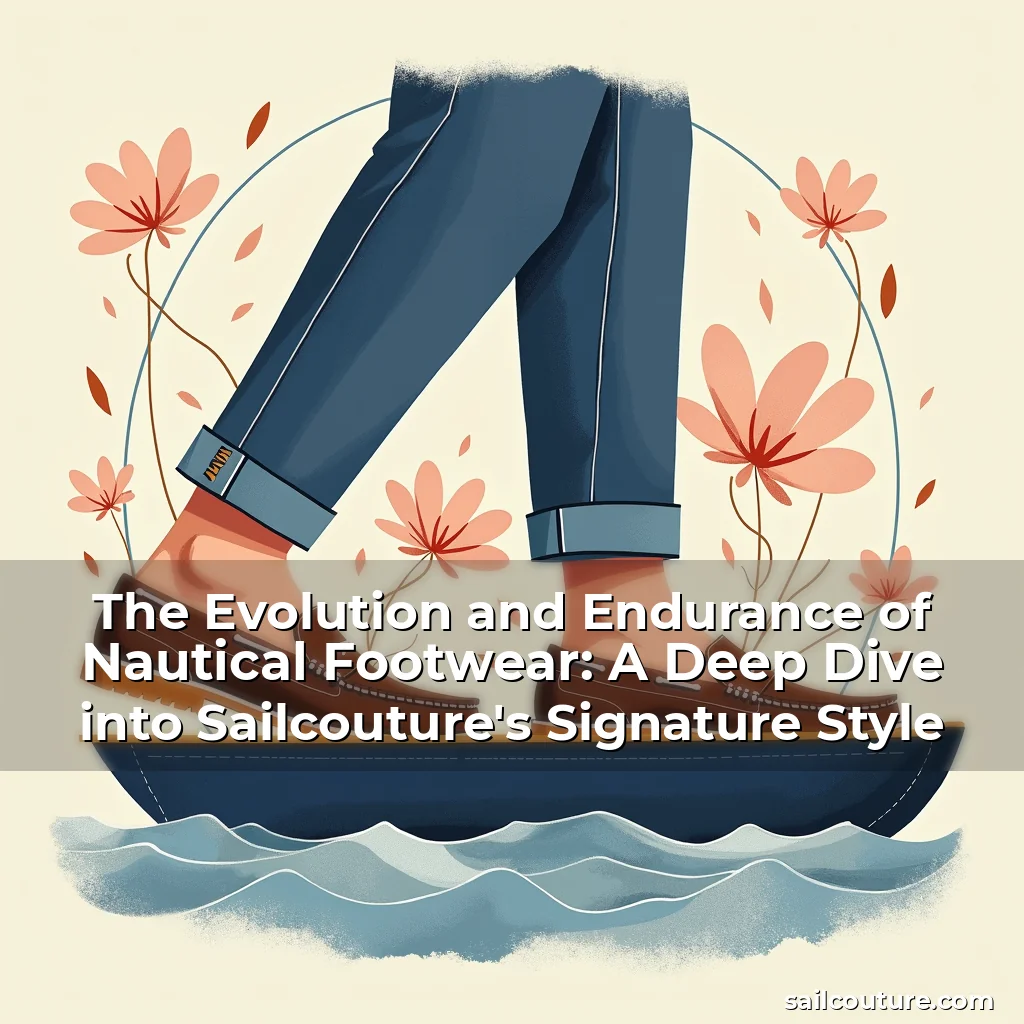
The Evolution and Endurance of Nautical Footwear: A Deep Dive into Sailcouture’s Signature Style
In an era where fashion meets function seamlessly, nautical footwear has carved out its own niche as both a practical necessity and a symbol of maritime heritage. From deck boots to sleek sea shoes, these specialized designs have evolved over centuries to meet the demands of seafaring life while maintaining their aesthetic appeal.
The journey of nautical footwear is not merely about comfort at sea; it reflects the broader narrative of maritime culture, innovation, and style. As we explore this fascinating world, we’ll uncover how traditional elements harmonize with modern advancements to create footwear that stands apart from conventional styles.
The Origins of Seafaring Footwear: A Historical Perspective
Nautical footwear traces its roots back to ancient civilizations that relied heavily on maritime trade routes. Early sailors required durable foot coverings that could withstand harsh ocean conditions, leading to the development of simple leather sandals and waterproofed boots made from natural materials like wool and rubber.
As shipbuilding techniques advanced during the Middle Ages, so too did the design of sailor’s footwear. This period saw the emergence of reinforced leather uppers combined with thick soles crafted from cork or wood to provide insulation against cold decks and protection from splinters.
The Industrial Revolution marked a significant turning point for nautical footwear. With mass production becoming feasible, manufacturers began experimenting with new materials such as vulcanized rubber and synthetic fabrics, which offered improved durability and water resistance without compromising flexibility.
- Variation by Region: Coastal communities developed distinct styles based on local climate needs, resulting in diverse adaptations ranging from open-toe sandal-like designs suitable for warmer climates to fully enclosed boots necessary in colder regions.
- Cultural Influence: Different naval traditions contributed unique features—British Royal Navy officers favored polished black leather dress shoes, whereas American whalers opted for heavier, more utilitarian designs suited to Arctic environments.
This historical progression laid the foundation for today’s sophisticated range of nautical footwear, blending centuries-old craftsmanship with contemporary innovations tailored specifically for active lifestyles.
Footwear Designed for Functionality: Key Features of Modern Nautical Shoes
Modern nautical footwear prioritizes functionality without sacrificing aesthetics. Designers incorporate elements such as non-slip treads, breathable linings, and quick-drying materials to ensure optimal performance in wet and unpredictable marine settings.
One crucial feature across many models is the use of high-quality neoprene or supple leather uppers that offer flexibility while providing essential support around the ankle area—a critical consideration when navigating slippery ship decks.
Waterproofing remains a top priority, achieved through advanced sealing technologies applied to seams and zippers, ensuring that feet stay dry even after prolonged exposure to seawater or heavy rainstorms.
Comfort is another key factor addressed in current designs. Memory foam insoles and contoured arch supports help reduce fatigue during long voyages, making them ideal for both casual wear on land and rigorous activity aboard vessels.
Material Innovations Shaping Contemporary Designs
Recent years have witnessed remarkable material innovations transforming nautical footwear. Synthetic fibers now mimic the look and feel of genuine leather but with enhanced durability against saltwater corrosion and UV degradation caused by extended sun exposure.
Advancements in textile technology allow for lighter yet sturdier constructions. For instance, some brands utilize carbon fiber reinforcements within sole structures to increase shock absorption capabilities without adding unnecessary weight—an especially beneficial trait for those frequently traversing rocky shorelines or uneven docks.
Moreover, eco-friendly alternatives are gaining traction among environmentally conscious consumers. Recycled plastics used in midsole components not only contribute less waste but also maintain excellent energy return properties similar to traditional EVA foams commonly found in athletic sneakers.
These developments underscore how modern engineering continues to refine classic nautical shoe forms, adapting them effectively for various terrains—from bustling marinas to remote coastal trails.
Diverse Styles Within Nautical Footwear: Choosing the Right Fit for Your Needs
The versatility of nautical footwear extends beyond mere utility—it encompasses a wide array of styles catering to different preferences and activities. Whether you’re seeking something formal enough for yacht events or rugged gear suitable for offshore excursions, there exists an option designed precisely for your requirements.
For individuals who value elegance alongside practicality, options like polished leather slip-ons or oxfords adorned with subtle nautical motifs present refined choices perfect for social gatherings aboard luxury yachts or upscale waterfront dining experiences.
If adventure beckons rather than formality, then rugged deck boots featuring deep tread patterns become indispensable companions. These robust designs protect against rough terrain encountered during sailing trips or beachcombing adventures while offering ample ventilation through strategically placed mesh panels.
Sports enthusiasts might find themselves drawn towards lightweight running shoes inspired by nautical themes—often incorporating bright colors reminiscent of sails along with reflective accents enhancing visibility under low-light conditions near waterways.
Customization Options Enhancing Personal Expression Through Footwear
An emerging trend within the nautical footwear sector involves customization possibilities allowing buyers to personalize their purchases according to individual tastes. Some companies now offer bespoke services enabling customers to select everything from color schemes to engraving details on heels or toe caps.
Such personal touches can transform standard-issue footwear into unique expressions reflecting one’s connection with the sea. Engraved initials or symbolic insignias serve as tangible reminders of memorable journeys shared upon waves.
Besides visual customizations, functional modifications cater specifically toward user-specific needs. Individuals requiring extra cushioning due to pre-existing medical conditions may opt for customized orthotic inserts compatible with most mainstream nautical shoe models available today.
By embracing customizable aspects inherent in modern nautical footwear, wearers gain greater control over creating pieces that resonate deeply with their lifestyle narratives centered around exploration and discovery through aquatic pursuits.
The Role of Color and Pattern in Defining Nautical Footwear Identity
Color plays a pivotal role in identifying authentic nautical footwear. Classic combinations like navy blue paired with white accents echo the timeless hues associated with maritime flags, uniforms, and vessel exteriors.
Pastel shades often accompany summer-ready versions meant for leisurely cruises or day-long outings at seaside resorts. Soft greens and light blues reflect the tranquility of calm waters while still retaining a sense of sophistication appropriate for semi-formal occasions.
In contrast, bolder color palettes emerge when considering sporty variants intended for physical exertion amidst challenging weather conditions. Vibrant oranges and yellows enhance visibility against darker backgrounds—a safety-conscious choice particularly relevant near busy harbors or storm-prone areas.
Patterns further enrich the identity of nautical footwear. Striped designs mirroring sailor uniforms add flair without overwhelming the overall silhouette, whereas anchor motifs subtly nod to maritime history embedded within each piece’s construction philosophy.
Historical Influences Behind Iconic Color Schemes
Many beloved color schemes trace their origins back to early naval codes and signaling systems devised primarily for communication purposes at sea. Red stripes denoted certain ranks within military fleets, influencing later civilian interpretations seen today in commercial products aimed at recreationists.
The iconic red-white-and-blue triad symbolizing national pride became increasingly popular post-WWII as designers sought ways to honor veterans’ contributions while appealing simultaneously to civilians desiring fashionable yet meaningful attire connected closely with oceanic cultures worldwide.
Additionally, tropical destinations influenced seasonal variations wherein bright florals or palm leaf prints emerged as temporary trends coinciding with peak travel seasons focused mainly around Caribbean islands known globally for their rich maritime histories intertwined with tourism industries.
Understanding these historical influences helps appreciate why particular color choices persist despite evolving fashion landscapes—each hue tells part of larger stories rooted firmly in human interaction with our planet’s vast oceans spanning millennia.
Maintaining Longevity in Nautical Footwear: Care Tips for Lasting Performance
To extend the lifespan of any quality pair of nautical shoes, regular maintenance becomes imperative. Proper cleaning procedures prevent buildup of salt deposits and algae growth which can compromise structural integrity over time.
When washing leather-based models, mild soap mixed thoroughly with lukewarm water proves effective before gently scrubbing surfaces using soft brushes followed by thorough rinsing until no residue remains visible anymore.
Non-leather alternatives benefit immensely from periodic treatments applying protective sprays formulated explicitly for synthetic materials—these coatings act similarly to wax used traditionally on wooden boat hulls aiming to repel moisture effectively.
Dry storage methods matter greatly too; keeping footwear away from direct sunlight reduces risk of discoloration issues arising due excessive UV radiation exposure damaging fabric dyes permanently altering appearances significantly compared originals intended initially by manufacturers themselves.
Seasonal Storage Strategies Maximizing Durability Across Changing Climates
Proper seasonal transitions play vital roles determining how well nautical footwear holds up against varying environmental stresses encountered year-round depending largely on geographical locations inhabited regularly by frequent users engaged consistently within maritime-related activities.
In humid climates prone to mold infestations during rainy seasons, silica gel packets tucked inside shoe boxes aid substantially reducing chances developing fungal colonies capable causing irreversible damage otherwise difficult reversing once established improperly maintained equipment left neglected entirely.
Conversely, arid regions necessitate alternative approaches focusing mainly preserving elasticity levels retained naturally by elastic laces employed extensively throughout numerous model types currently dominating marketplace offerings recently launched incorporating latest technological breakthroughs applicable universally regardless regional differences experienced globally wherever sea exists omnipresent force shaping much human civilization historically speaking indeed!
Adopting proactive measures regarding storage practices ensures continued usability across generations—even cherished family heirlooms passed down lovingly between descendants remain intact ready whenever next opportunity arises celebrating bonds formed through shared memories created together exploring wonders hidden beneath endless horizons awaiting discovery ahead.
Sustainability in Nautical Footwear Production: Ethical Considerations Moving Forward
Eco-conscious consumers are increasingly scrutinizing manufacturing processes behind favorite nautical footwear selections. Sustainable sourcing initiatives promote responsible harvesting practices minimizing ecological disruption affecting ecosystems integral supporting biodiversity essential sustaining life itself—including marine habitats impacted indirectly through industrial runoff pollutants released unintentionally sometimes during production stages.
Recycling programs enable old pairs being transformed creatively into new items reducing landfill burdens dramatically decreasing waste generated annually contributing negatively impacting global warming acceleration rates already alarming scientists monitoring climate change effects intensifying rapidly worsening situations threatening future stability unless drastic changes implemented urgently now before reaching tipping points triggering catastrophic consequences beyond repair possible afterward.
Biodegradable materials represent promising solutions addressing concerns related longevity versus decomposition timelines typically taking decades decomposing naturally unlike petroleum-derived polymers common constituents forming majority composition found widely used synthetics prevalent nowadays dominating retail sectors catering broad audiences craving stylish yet functional apparel meeting dual objectives satisfaction simultaneously fulfilled effortlessly seemingly easy task actually quite complex reality demanding careful balancing act between convenience expectations raised exponentially higher standards pursued relentlessly ceaselessly ever since inception beginnings commercial enterprises operating profit motives guiding decisions ultimately influencing consumer behaviors shaped accordingly.
By choosing sustainably produced nautical footwear, individuals participate actively promoting healthier planetary futures benefiting everyone including ourselves personally experiencing positive outcomes stemming directly from collective efforts invested wisely responsibly cultivating awareness fostering respect nature inherently deserving reverence owed rightfully earned through countless sacrifices endured silently throughout existence unfolding continuously moment-by-moment eternally enduring cycle perpetual motion defining essence life itself fundamentally inseparable interconnectedness binding us together universally irrespective boundaries imagined separating people from each other falsely constructed illusions perpetuated ignorance propagated willfully neglectful attitudes needing urgent remediation via education empowerment action taken decisively promptly now without delay!
Future Trends in Nautical Footwear Innovation: What Lies Ahead?
Looking forward, the evolution of nautical footwear promises exciting developments driven by cutting-edge technologies reshaping industry norms gradually replacing outdated methodologies previously considered standard practice accepted unquestioningly without hesitation.
Smart textiles integrated within upper layers promise real-time data collection tracking biometric indicators useful predicting potential injuries occurring unexpectedly during physically demanding tasks performed routinely among professionals relying heavily upon reliable gear fulfilling operational necessities efficiently accurately reliably ensuring mission success paramount concern always foremost priority regardless circumstances faced inevitably encountered throughout careers devoted serving causes noble worthy pursuing tirelessly relentlessly striving excellence achievable only through unwavering dedication perseverance overcoming obstacles inevitable part journey progress.
Self-cleaning mechanisms utilizing nanotechnology may soon become commonplace features incorporated discreetly within outer shell compositions engineered cleverly disguising functionalities seamlessly blended visually indistinguishable from conventional appearances maintained consistently attractive appealing aesthetically pleasing desirable attributes appreciated valued highly among discerning clientele seeking premium quality assured confidently without reservation.
Lastly, adaptive fit systems responding dynamically changing pressure distributions across plantar surfaces adjust automatically optimizing comfort levels throughout duration usage eliminating discomfort caused static positioning fixed configurations limiting mobility unnecessarily restricting freedom movement contrary principles guiding design philosophies emphasizing ergonomics paramount importance central theme overarching goals pursued diligently assiduously continually refining improvements incrementally advancing field steadily progressing toward achieving ideals envisioned originally conceived initially.
Conclusion
Nautical footwear embodies a fusion of tradition and innovation, serving as a testament to humanity’s enduring relationship with the sea. Its design encapsulates centuries of maritime experience, adapted meticulously for contemporary needs while honoring historical legacies.
Whether for leisurely strolls along the coastline or daring expeditions far from shore, selecting the right pair of nautical shoes enhances every journey. Embracing this distinctive category of footwear means not only investing in quality but also participating in a vibrant cultural narrative that celebrates exploration, resilience, and beauty found in our oceans.

news is a contributor at SailCouture. We are committed to providing well-researched, accurate, and valuable content to our readers.
You May Also Like
About the Author