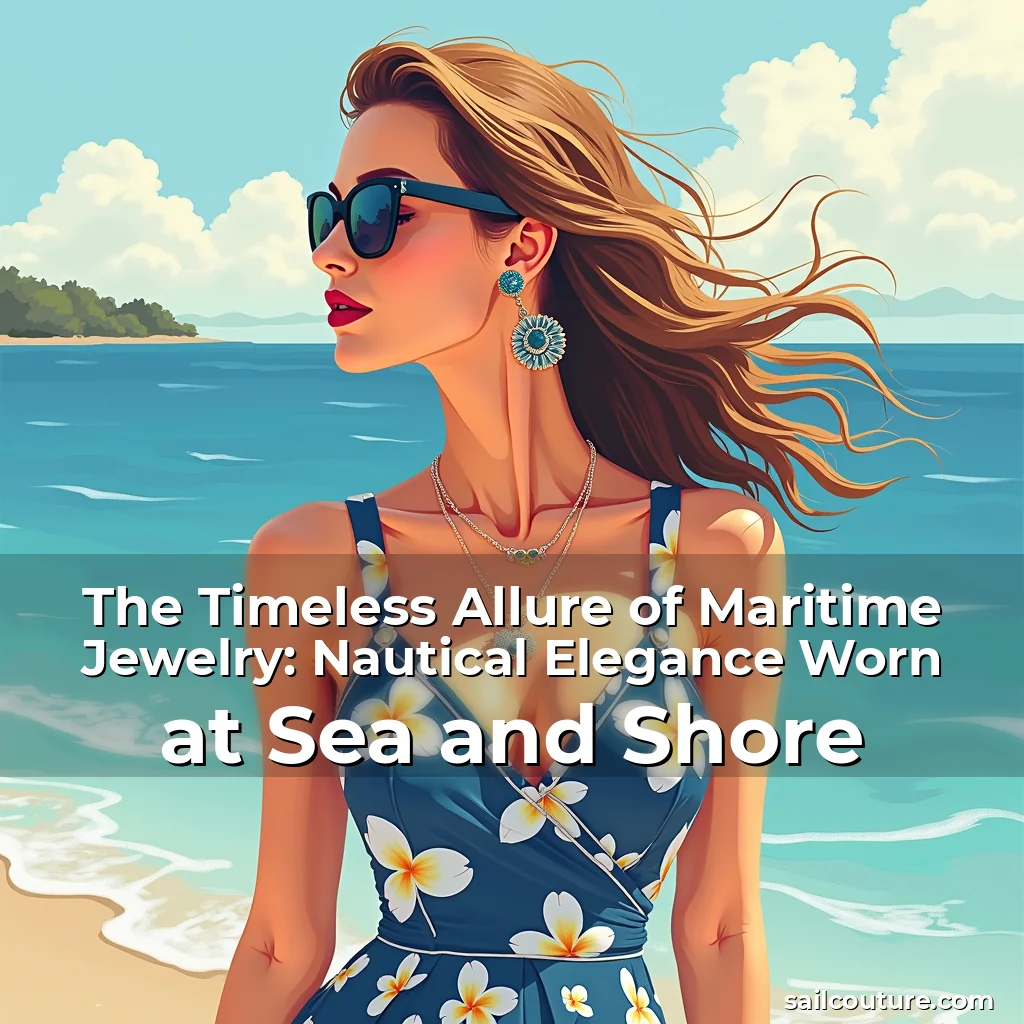
The Timeless Allure of Maritime Jewelry: Nautical Elegance Worn at Sea and Shore
In an era where fashion meets function, maritime jewelry has emerged as a symbol of both heritage and innovation within the sailing community. From classic anchor motifs to modern interpretations of seafaring traditions, these pieces are not merely accessories but narratives woven from centuries of oceanic exploration.
This guide explores how nautical aesthetics have evolved through time, offering insights into materials, craftsmanship, and cultural significance that define maritime jewelry today. Whether you’re captivated by vintage treasures or drawn to contemporary designs, there’s something here for every enthusiast of the sea.
A Legacy Carved in Waves: The Origins of Maritime Jewelry
Metalworking techniques developed during ancient civilizations laid the foundation for what we now recognize as maritime jewelry. Early mariners used simple metalwork to create pendants shaped like anchors and compasses—symbols representing safe passage across treacherous waters.
Cultural exchanges between Mediterranean ports introduced new gemstones and intricate engraving methods. These innovations transformed basic tokens of protection into ornate adornments worn proudly by sailors seeking good fortune on their voyages.
The Renaissance period saw significant advancements in metallurgy which allowed artisans to craft more elaborate pieces. Silver filigree work became particularly popular among shipbuilders’ families who often commissioned bespoke jewelry incorporating elements reflective of their profession.
As global trade expanded, so too did the diversity of materials available to jewelers. Pearls harvested from distant shores found their way into necklaces while coral from tropical reefs inspired vibrant red accents on rings and earrings.
- Anchor Motifs: Representing stability and strength, anchors were commonly engraved onto silver chains or incorporated as central features in pendant designs.
- Compass Symbols: Miniature compass faces embedded in gold settings signified guidance and direction—a literal embodiment of navigational prowess.
Sailing Through History: Evolution of Styles Over Centuries
The Industrial Revolution brought mass production capabilities that democratized access to maritime-themed accessories. Previously exclusive to aristocratic circles, items such as belt buckles featuring ships’ wheels became widely affordable.
Era-specific trends influenced design choices; Art Deco periods favored geometric patterns reminiscent of ship hulls whereas Victorian times embraced delicate floral engravings intertwined with nautical symbols.
During World War II, practicality took precedence over ornamentation. Soldiers wore dog tags alongside simple bracelets made from repurposed rope and leather—an austere yet meaningful nod to their service at sea.
Post-war decades witnessed a resurgence of luxury brands reinterpreting traditional themes using precious metals and stones. This era marked the beginning of maritime jewelry transitioning from utilitarian objects to high-fashion statements.
Materials That Withstand the Tides: Crafting Endurance in Design
Selecting appropriate materials is crucial when creating durable maritime jewelry capable of enduring harsh marine environments. Stainless steel offers corrosion resistance essential for frequent exposure to saltwater conditions.
Titanium alloys provide lightweight durability without compromising aesthetic appeal. Their natural luster complements both casual and formal attire making them versatile options suitable for various occasions.
Precious gems like sapphires possess exceptional hardness ratings ideal for setting against metallic surfaces prone to scratches. Rubies add vibrant color contrasts perfect for highlighting key design elements.
For those preferring organic textures, abalone shells offer iridescence akin to sunlit waves. Their bioluminescent properties make them especially captivating under artificial lighting sources common aboard vessels.
The Symbolism Behind Every Element: Unraveling Meaningful Designs
Nautical jewelry carries deep symbolic meanings rooted in centuries-old superstitions surrounding seafaring life. A simple bracelet might carry layers of meaning depending upon its construction and components.
Beaded ropes represent unity and connection—each knot symbolizing safety measures taken before embarking on journeys fraught with uncertainty. These can be fashioned from genuine braided cordage or replicated through resin casts preserving authentic texture.
Rose gold tones evoke memories of rusted iron fittings encountered on old wooden ships. They serve as subtle reminders of past expeditions while maintaining elegance suitable for everyday wear.
Lapis lazuli stones were historically believed to protect sailors from drowning. Incorporating them into jewelry maintains this protective symbolism even though modern science dismisses such beliefs.
Modern Interpretations of Ancient Beliefs
Contemporary designers reinterpret age-old maritime superstitions through innovative lens. While many still believe in protective powers attributed to certain stones, others focus solely on visual storytelling aspects inherent in each piece.
Some companies collaborate with historians to ensure accuracy regarding historical references included in their collections. This attention to detail enhances authenticity appreciated by collectors seeking well-researched wearable art forms.
New technologies allow creation of miniature ship models encased within transparent spheres—symbolic representations capturing essence of adventure associated with maritime endeavors.
These evolving approaches demonstrate how tradition continues influencing current practices ensuring continuity between generations fascinated by tales told through jewelry.
From Deck to Dresser: Integrating Maritime Themes Into Everyday Wear
Maritime-inspired accessories seamlessly transition from functional gear used aboard boats to stylish additions enhancing personal style ashore. Necklaces featuring miniature ship sails double as conversation starters wherever they’re worn.
Watches designed with nautical complications—including tide indicators and moon phase displays—offer utility combined with refined aesthetics appealing to professionals requiring precise timing information related to coastal activities.
Fashion houses incorporate wave-like patterns into evening gowns crafted from luxurious fabrics dyed in shades evoking ocean depths. Such garments become canvases showcasing intricate detailing reflecting fluid motion characteristic of water movement.
Even footwear benefits from seashell embellishments placed strategically along toe areas or ankle regions adding tactile interest while remaining comfortable enough for long hours spent exploring shorelines.
Craftsmanship Meets Innovation: Techniques Shaping Modern Maritime Jewelry
Traditional hand-forging methods continue coexisting alongside advanced manufacturing processes enabling greater precision in replicating complex structures once thought impractical for small-scale creations.
Lost wax casting allows artists freedom in designing highly detailed figurines depicting mythical creatures born from sailor legends—such as Krakens or mermaids—who populate stories passed down through ages.
Computer numerical control (CNC) machining ensures consistency across limited edition runs producing identical replicas maintained at highest quality standards expected by discerning buyers.
Engraving lasers enable customization services allowing customers personalize items with names, dates, or specific messages holding sentimental value tied uniquely to individual experiences connected with the sea.
Preserving Heritage: Collectibility and Value Appreciation Trends
Antique maritime jewelry holds increasing allure among investors recognizing potential appreciation rates comparable to other collectible categories including coins or stamps.
Authentication plays vital role determining market worth; provenance documentation verifying origin significantly impacts final sale price achieved at auctions specializing in rare finds.
Restoration efforts undertaken carefully preserve original characteristics avoiding alterations detrimental to historical integrity desired by serious enthusiasts pursuing accurate representations of past eras.
Online platforms facilitate global reach expanding audience base appreciating fine examples warranting careful preservation due to fragility resulting from aging materials susceptible damage unless properly handled.
Sustainable Practices in Maritime Jewelry Production
Growing environmental consciousness influences sourcing decisions affecting material selection preferences shifting towards eco-friendly alternatives minimizing ecological footprint left behind after extraction processes involved obtaining raw resources.
Recycled silver becomes preferred choice reducing demand placed upon newly mined deposits contributing less pollution overall compared conventional mining operations exploiting virgin ore reserves located deep underground.
Lab-grown diamonds present viable substitute providing same optical qualities enjoyed naturally occurring counterparts without ethical concerns linked diamond industry involving conflict zones plagued human rights violations.
Biodegradable packaging solutions replace plastic wraps previously used protecting products during transit while aligning corporate policies promoting sustainability goals aimed decreasing waste generated throughout supply chain networks.
Community Connections: How Maritime Jewelry Builds Bonds Among Sailors
Jewelry serves as tangible representation fostering camaraderie amongst members sharing mutual interests centered around aquatic pursuits. Custom-designed pendants bearing club insignias identify affiliation strengthening sense belonging within tight-knit groups.
Exchange programs permit swapping unique pieces broadening horizons exposing participants unfamiliar styles originating different cultures enriching understanding perspectives varying geographically separated communities united passion sailing lifestyle.
Charitable initiatives leverage proceeds supporting conservation projects dedicated safeguarding marine ecosystems threatened climate change pollution industrialization damaging habitats critical sustaining biodiversity levels necessary future survival countless species dependent healthy oceans.
Events celebrating milestones mark achievements accomplished together reinforcing collective identity formed through shared experiences navigating challenges faced traversing vast expanse open waters relying trust cooperation building strong foundations lasting friendships forged adversity triumphing obstacles encountered journey.
Conclusion
Maritime jewelry encapsulates rich tapestry interwoven history culture innovation embodying spirit exploration endurance beauty found world’s most expansive frontier—the open sea.
Whether selecting heirloom pieces cherished family generations acquiring modern masterpieces celebrating contemporary design philosophies embracing sustainable values shaping tomorrow’s industry directions, each choice contributes narrative unfolding continuously across timelines connecting past present future through timeless allure captured within elegant adornments honoring legacy seafarers who dared venture beyond familiar shores toward uncharted horizons waiting discovery.

news is a contributor at SailCouture. We are committed to providing well-researched, accurate, and valuable content to our readers.
You May Also Like
About the Author