The Artistry of Yacht Wear: Crafting Elegance at Sea
In an era where luxury yachting has become synonymous with opulence and sophistication, the importance of yacht wear cannot be overstated. This specialized form of attire is not merely about looking good; it’s about embodying the very essence of maritime elegance.
Yacht wear transcends traditional fashion by seamlessly blending functionality with style. From sun-drenched decks to elegant evening galas aboard superyachts, every piece of clothing serves a dual purpose—protecting against the elements while making a striking sartorial statement.
The Evolution of Maritime Fashion
The history of yacht wear dates back centuries when seafarers required practical garments that could withstand harsh ocean conditions. Early sailors relied on heavy woolen fabrics designed to repel water and provide warmth during long voyages.
As nautical exploration expanded, so too did the need for more refined yet functional attire. The Royal Navy established early standards for naval uniforms, emphasizing both utility and discipline through structured tailoring and distinct color schemes.
- Durable Fabrics: Materials like canvas and wool became staples due to their resistance to saltwater damage and ability to insulate against cold winds.
- Distinctive Color Schemes: Dark navy blues and whites were chosen not only for visibility but also to reflect the sea’s colors, creating a harmonious visual connection between sailor and environment.
By the late 19th century, wealthy patrons of sailing began adopting these utilitarian designs for leisurely pursuits, marking the birth of what would eventually evolve into modern yacht wear aesthetics.
This transition from purely functional gear to aspirational fashion was further accelerated by the rise of the cruise industry in the early 20th century, which created new opportunities for high-end nautical styling to flourish among affluent travelers.
Fabric Selections That Define Yacht Wear
Selecting appropriate materials is crucial when curating a yacht wardrobe. Certain textiles excel in marine environments due to their inherent properties that combat moisture, UV radiation, and abrasion caused by wind and waves.
Cotton-linen blends have gained immense popularity among yachters seeking comfort without sacrificing style. These hybrid fabrics offer breathability essential for hot climates while maintaining enough structure to preserve formal appearances even after extended use.
Polyester-based microfibers represent another innovative solution, combining lightweight characteristics with exceptional durability. Their quick-drying capabilities make them ideal for activities ranging from snorkeling excursions to cocktail hour conversations on deck.
Sustainable alternatives are now emerging within the industry, including recycled nylon and organic cotton options that maintain performance qualities while reducing environmental impact—a trend increasingly favored by eco-conscious cruisers.
Understanding fabric care requirements is equally important. Some premium yarns require special washing techniques or professional dry cleaning services to retain their shape and luster over time.
Elevating Your Wardrobe with Signature Pieces
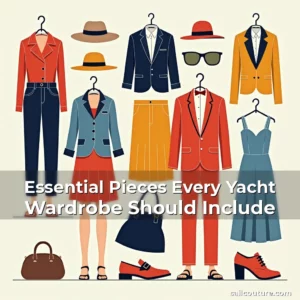
A well-curated yacht wardrobe includes several signature items that elevate any ensemble from casual to couturier level. These foundational pieces serve as versatile building blocks capable of transforming simple outfits into remarkable displays of maritime refinement.
Tailored blazers remain perennial favorites, offering crisp lines that contrast beautifully against open waters. When paired with crisp white shirts and neutral chinos, they create instantly recognizable yet sophisticated ensembles suitable for various onboard occasions.
Wide-leg trousers crafted from lightweight wool blends present another must-have item. Their flowing silhouette complements the movement of waves while ensuring unrestricted mobility during daytime adventures ashore or on board.
Luxurious cashmere sweaters add layers of elegance, particularly useful during cooler evenings spent enjoying champagne under starlit skies. Their soft textures provide unmatched comfort without compromising on aesthetic appeal.
Bespoke accessories such as hand-stitched leather belts and monogrammed cufflinks complete these looks with subtle touches that speak volumes about attention to detail and personal taste.
Color Theory in Nautical Attire
Choosing the right color palette plays a pivotal role in defining your yachtwear identity. While classic combinations continue to dominate, contemporary interpretations allow for greater experimentation while still respecting maritime traditions.
Navy blue remains the undisputed king of yacht fashion, serving as a timeless foundation upon which countless variations can be built. Its versatility allows it to pair effortlessly with almost any other hue—from vibrant accents to muted neutrals.
White continues to hold significant status in yacht culture, symbolizing purity and cleanliness associated with life at sea. Crisp linen shirts worn over swimsuits or as standalone pieces exude effortless charm and understated glamour.
Gingham checks and striped patterns pay homage to old-world sailing heritage while adding visual interest through texture contrasts. These motifs work especially well when incorporated into swimwear or beach cover-ups.
For those wishing to introduce bolder statements, pastels and jewel tones offer exciting possibilities without straying too far from nautical conventions. Soft pinks, aquamarines, and teal shades bring freshness and vibrancy to otherwise subdued palettes.
Seasonal Adaptations in Yacht Fashion
Mastering seasonal adaptations ensures you’re always prepared regardless of whether you find yourself navigating tropical waters or braving North Atlantic gales. A smartly planned yacht wardrobe accommodates temperature fluctuations with ease.
Lightweight summer collections emphasize breathable fabrics and relaxed silhouettes. Linen suits, sheer dresses, and flowy skirts enable easy movement while keeping cool amidst sweltering heat near equatorial regions.
Winter-ready attire requires thicker knits, insulated jackets, and waterproof outerwear. Thermal base layers combined with mid-weight wool coats protect against biting winds encountered off the coasts of Europe or New England.
Transitional seasons demand flexible solutions such as layered tunics and convertible tops that adapt easily depending on weather changes. Versatile scarves made from silk or merino wool prove invaluable additions to any seasonally adaptable collection.
Investing in quality basics creates a strong foundation that supports creative layering techniques across different climatic zones—an approach that maximizes investment value while minimizing luggage space constraints.
Accessories That Complete the Look
No discussion about yacht wear would be complete without acknowledging the transformative power of carefully selected accessories. These finishing touches often determine how cohesive and polished an outfit appears overall.
Sunglasses featuring polarized lenses stand out as essential investments, protecting eyes from glare reflected off water surfaces while enhancing facial features with bold frames styles ranging from aviator classics to modern minimalist designs.
Fine jewelry adds unexpected luxury dimensions to everyday attire. Pearls, gold chains, and gemstone earrings transform basic ensembles into dazzling masterpieces worthy of any yacht party setting.
Handcrafted leather shoes maintain a balance between comfort and elegance. Loafers, boat shoes, and oxfords constructed from full-grain leather ensure durability alongside stylish finishes that complement most wardrobes seamlessly.
Belts and watches contribute additional points of distinction. Custom-engraved straps and vintage-inspired dials elevate mundane items into personalized expressions reflecting individual tastes and histories related specifically to maritime experiences.
Preserving Quality Through Proper Care
Maintaining optimal condition for yacht wear requires adherence to specific laundering protocols tailored towards each fabric type used in construction. Improper handling can lead to premature degradation affecting longevity significantly.
Care labels attached directly onto garments contain vital information regarding recommended washing temperatures, preferred detergents, and drying instructions. Following these guidelines meticulously preserves original textures and colorfastness levels effectively.
Professional dry cleaning services specialize in treating delicate fibers commonly found in fine yacht apparel. These experts employ controlled environments necessary for safely removing stains without damaging intricate detailing or structural integrity.
Storage practices play equally critical roles in preservation efforts. Using padded garment bags prevents creasing while allowing sufficient airflow around folded pieces to avoid mold development in humid conditions typical along coastal areas.
Regular maintenance routines involving spot treatments and periodic inspections help identify potential issues before they escalate into irreparable damages requiring costly repairs or replacements altogether.
Embracing Sustainability in Modern Yacht Culture
With growing awareness surrounding environmental impacts, sustainable approaches to yacht wear are gaining momentum across global cruising communities. Eco-friendly innovations redefine what constitutes responsible consumption within luxury lifestyles today.
Recycled polyester derived from post-consumer plastic bottles offers excellent alternative material choices retaining key attributes similar to virgin synthetic counterparts but substantially lowering carbon footprints involved in production processes.
Organic cotton certifications guarantee reduced pesticide usage during cultivation stages, aligning perfectly with values upheld by conscious consumers who prioritize ethical sourcing methods whenever possible.
Biodegradable linings integrated into some designer collections promote circular economy principles by enabling end-of-life disposal options that minimize landfill contributions compared to conventional non-degradable materials currently prevalent elsewhere.
Supporting brands committed to transparent supply chain management provides assurance regarding fair labor practices employed throughout manufacturing phases—a consideration increasingly valued amongst discerning buyers engaged actively within elite sailing circles worldwide.
Conclusion
The world of yacht wear represents more than mere costume—it embodies a rich tapestry woven together through centuries-old traditions merged creatively with contemporary sensibilities toward design excellence.
Whether you’re preparing for an extravagant charter voyage or simply looking to enhance your daily presence at marinas, understanding core tenets behind authentic nautical dressing empowers individuals confidently embracing this distinctive lifestyle choice wholeheartedly.

news is a contributor at SailCouture. We are committed to providing well-researched, accurate, and valuable content to our readers.
You May Also Like
About the Author