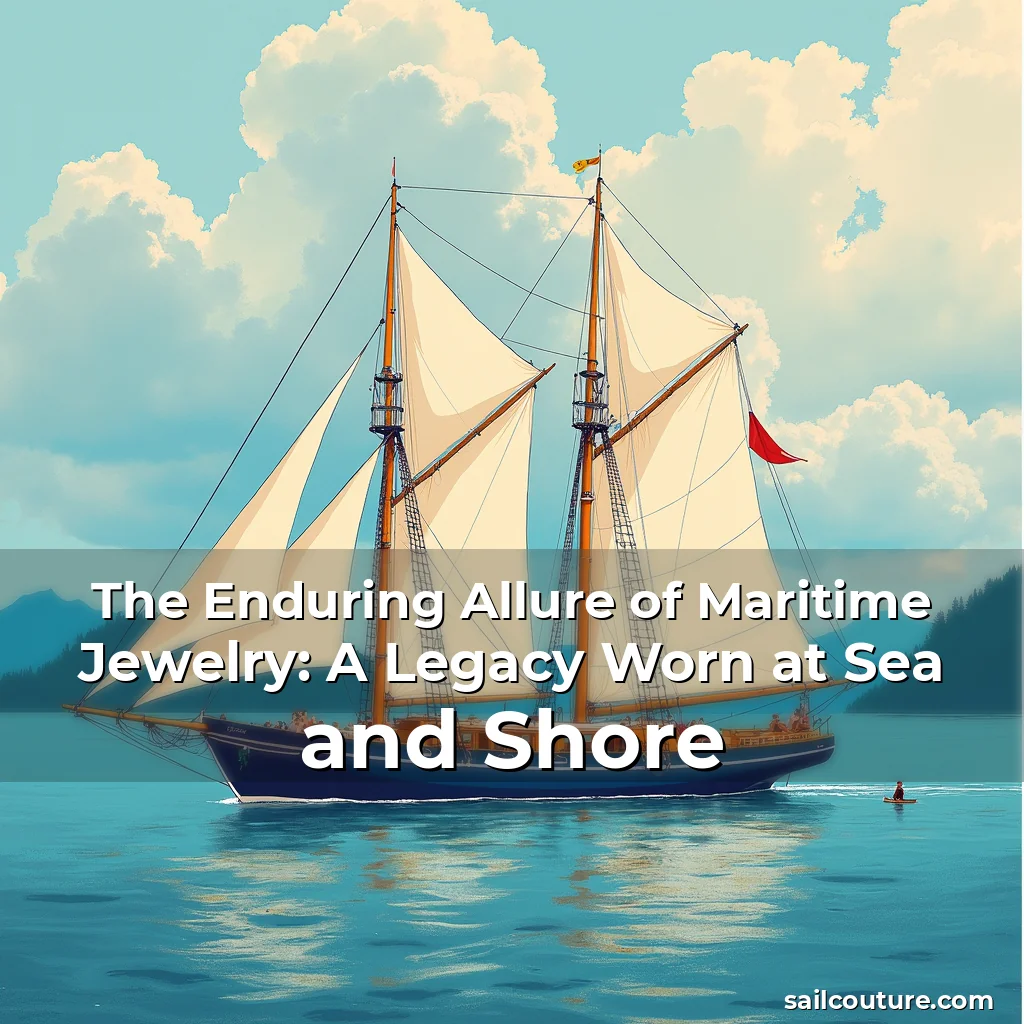
The Enduring Allure of Maritime Jewelry: A Legacy Worn at Sea and Shore
In an era where fashion trends shift as swiftly as ocean currents, maritime jewelry stands out as a timeless symbol of adventure, heritage, and connection to the sea. This unique form of adornment has captivated sailors, explorers, and landlubbers alike for centuries, evolving from simple functional items to sophisticated works of art that reflect both nautical tradition and modern style.
Beyond its aesthetic appeal, maritime jewelry carries deep historical significance, serving as a tangible link to seafaring cultures around the world. From ancient Roman coins used as amulets by Mediterranean mariners to Victorian-era lockets containing pressed flowers and handwritten notes, these pieces tell stories of love, loss, and longing across generations.
Origins of Maritime Adornment: Navigating Through History
The earliest known examples of maritime jewelry date back to ancient civilizations who relied heavily on the sea for trade, exploration, and survival. Egyptian pharaohs incorporated lapis lazuli and turquoise into their regalia, believing these stones protected travelers against treacherous waters and unknown dangers beyond the horizon.
Roman sailors wore engraved bronze pendants featuring protective deities such as Neptune and Salacia, while Viking longships carried carved amber necklaces believed to grant safe passage through stormy seas. These early forms of nautical ornamentation were not merely decorative; they served practical purposes as talismans, currency, and status symbols among coastal communities.
- Protective symbolism: Many cultures imbued maritime jewelry with magical properties thought to ward off storms, pirates, and sea monsters
- Cultural exchange: As maritime routes expanded during the Age of Exploration, different societies exchanged design elements creating hybrid styles still visible today
Evolving Designs: From Functional Tools to Artistic Expressions
During the Renaissance period, maritime jewelry began transitioning from purely utilitarian objects to artistic expressions of personal identity. Wealthy merchants commissioned intricate gold filigree cuffs embedded with compass roses and ship motifs, blending navigational tools with wearable art.
This evolution continued through the Baroque era when coral, mother-of-pearl, and enamel became popular materials. Ship captains often received custom-made rings with etched anchors or ropes as tokens of appreciation from ports along their voyages, marking significant milestones in their careers.
Metalwork Innovations in the Industrial Revolution
The advent of industrial manufacturing techniques in the 18th century revolutionized maritime jewelry production. Mass-produced silver belt buckles featuring anchor patterns became common accessories among naval officers, allowing wider access to nautical-themed adornments previously reserved for aristocrats.
As steam-powered ships replaced sailing vessels, jewelers adapted designs to incorporate new technologies. Pocket watches with marine chronometers inside were crafted with elaborate shell-shaped cases, reflecting both the mechanical advancements and enduring fascination with the sea.
Symbols & Motifs: Decoding the Language of the Deep
Maritime jewelry is rich with symbolic meaning, each element telling a story of human interaction with the ocean. Anchors represent stability and hope, while compasses signify direction and guidance through life’s challenges.
Pirates’ knots and rope twists are frequently featured in contemporary pieces, evoking tales of daring escapades and hidden treasures. Even the humble seashell holds significance, often associated with love and remembrance due to its natural formation process mirroring emotional bonds.
- Anchors: Symbolize steadfastness and resilience, commonly found in wedding bands and engagement rings for those with strong family ties to the sea
- Compasses: Represent journeys both literal and metaphorical, making them popular choices for graduates embarking on new chapters in life
- Ship wheels: Reflect leadership qualities, often chosen by professionals seeking to express authority and vision in their work
Materials Matter: Choosing Elements That Speak to the Ocean
Selecting appropriate materials is crucial in crafting authentic maritime jewelry. Natural resources harvested from the sea itself—including pearls, shells, and corals—offer organic textures that complement traditional metals beautifully.
Luxury brands have begun incorporating sustainable aquaculture practices to source responsibly farmed pearls and ethically harvested abalone shells. This commitment ensures beautiful creations without harming delicate underwater ecosystems.
The Science Behind Seawater Corrosion Resistance
Jewelers specializing in maritime pieces understand the importance of corrosion resistance when working with saltwater environments. Precious metals like platinum and titanium naturally resist oxidation better than standard gold alloys, ensuring longevity even after frequent exposure to seawater.
Treatment processes such as rhodium plating enhance durability further by forming protective layers over base metals. For non-metal components like wood or bone, specialized coatings help prevent warping caused by humidity fluctuations near coastlines.
Fashion Meets Functionality: Contemporary Interpretations
Modern designers continue reinterpreting classic maritime themes through innovative craftsmanship. Handmade leather bracelets woven with genuine paracord echo the strength required for rigging sails, appealing to outdoor enthusiasts and military personnel alike.
Smartwatch straps made from recycled fishing nets combine environmental consciousness with cutting-edge technology, proving that sustainability doesn’t mean sacrificing style or performance in the realm of maritime-inspired wearables.
Personal Narratives: Stories Behind the Pieces
For many collectors, maritime jewelry represents more than just aesthetics—it encapsulates cherished memories tied to personal histories involving the sea. A retired fisherman might treasure a vintage belt buckle passed down through generations, while a sailor’s daughter could wear earrings shaped like miniature ship masts.
These sentimental connections transform ordinary ornaments into heirlooms carrying profound emotional value. They serve as conversation starters that bridge generational gaps, inviting stories of bravery, discovery, and familial bonds centered around waterways.
Preservation Techniques: Keeping Your Treasures Intact
To ensure your maritime jewelry remains in excellent condition for years to come, proper care routines are essential. Regular cleaning using mild soap solutions helps remove accumulated salt residue without damaging delicate engravings or gemstone settings.
Avoid exposing pieces to extreme temperature changes which can cause metal fatigue or cracking in organic materials like ivory or tortoiseshell. Store valuables separately in soft cloth pouches rather than crowded drawers to minimize scratches and tangling.
Community Connections: Building Bonds Around Shared Interests
Members of the SailCouture community find camaraderie through shared appreciation for maritime jewelry, exchanging knowledge about rare finds and restoration techniques. Online forums provide platforms for discussing everything from antique appraisal methods to DIY projects transforming vintage items into personalized keepsakes.
Local artisan markets offer opportunities to meet master craftsmen dedicated to preserving traditional skills. Participating in workshops allows individuals to learn hand-forged techniques dating back centuries, fostering deeper understanding of cultural heritage embodied within each piece.
Future Horizons: Where Tradition Meets Innovation
Advancements in 3D printing technology enable artisans to create complex maritime motifs with unprecedented precision. Customizable options allow customers to embed GPS chips inside pendants tracking lost items or engrave exact coordinates onto commemorative plaques marking special locations related to their seafaring ancestors.
Sustainable initiatives drive innovation forward as eco-conscious consumers demand responsible sourcing practices. Biodegradable polymers now mimic precious metals, offering affordable alternatives without compromising quality standards set by professional jewelers committed to ethical production values.
Conclusion
From ancient talismans to high-tech smartwatches, maritime jewelry continues to evolve yet remain rooted in our collective relationship with the sea. Its enduring appeal lies not only in exquisite craftsmanship but also in the narratives it preserves across time.
Whether you’re drawn to its historical significance, symbolic meanings, or simply admire its beauty, exploring maritime jewelry offers a journey through human history intertwined with waves and tides. Embrace this legacy by discovering how these remarkable pieces resonate personally with your own experiences connected to life upon or beside the water.

news is a contributor at SailCouture. We are committed to providing well-researched, accurate, and valuable content to our readers.
You May Also Like
About the Author