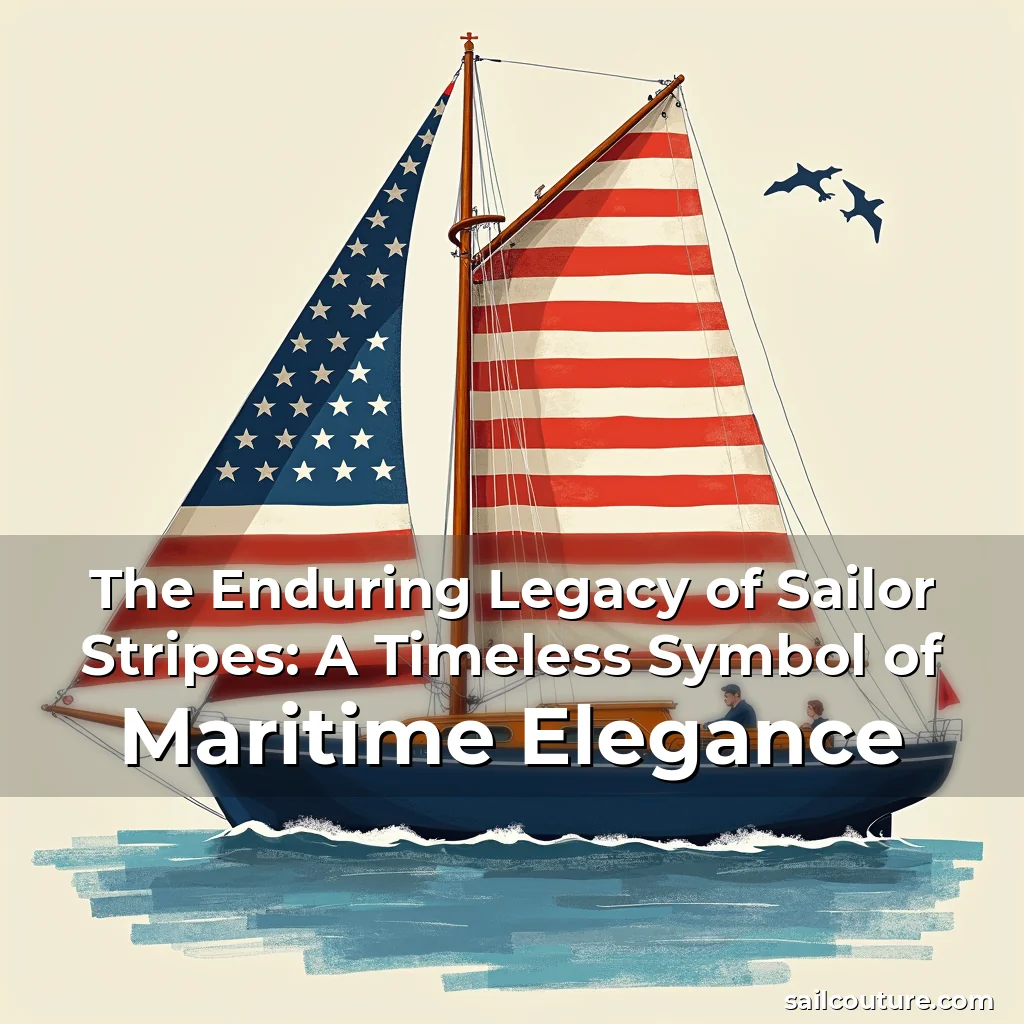
The Enduring Legacy of Sailor Stripes: A Timeless Symbol of Maritime Elegance
Sailor stripes have transcended their nautical origins to become an iconic fashion element embraced by cultures worldwide. What began as functional attire for seafarers has evolved into a versatile style statement that continues to captivate fashion enthusiasts and maritime history buffs alike.
This article explores the rich heritage behind these distinctive vertical lines, delving into their historical significance, modern interpretations across various industries, and how they maintain relevance in today’s ever-changing fashion landscape.
The Origins of Sailor Stripes: From Nautical Duty to Cultural Icon
Origins trace back to early naval uniforms where vertical stripes served dual purposes—enhancing visibility at sea while also helping identify ranks through color variations. The French navy pioneered this design in the late 18th century, creating what would later be known as the “French Navy Stripe.”
In the United States, the adoption of striped uniforms gained momentum during the American Revolution when both British and American navies utilized them for identification and camouflage against the ocean backdrop. These practical designs laid the foundation for future sartorial evolution.
Evolution over centuries:
- Early 19th-century Royal Navy uniforms featured red and white stripes with gold trimmings.
- By World War I, standardized blue-and-white combinations became common practice across many naval forces.
- Post-war periods saw experimentation with different colors and widths based on regional preferences and technological advancements in fabric production.
Cultural Significance Beyond the Sea: How Sailors’ Stripes Became Global Phenomenon
As global trade expanded through the 19th and early 20th centuries, so did the influence of naval dress codes. Merchants, dockworkers, and coastal communities adopted similar patterns as part of their everyday wear, leading to widespread acceptance beyond military contexts.
Different regions developed distinct adaptations influenced by local aesthetics and available materials. In Japan, for example, sailors incorporated traditional textile techniques such as indigo dyeing methods alongside Western-style stripe configurations.
Rise of Fashion Icons Through Striped Attire
Fashion houses recognized the potential of sailor stripes long before mass commercialization took hold. Chanel famously integrated nautical elements into high-end couture collections starting from the 1920s onwards, cementing their status within elite circles.
Statistical data shows that between 1960-1980, striped garments accounted for nearly 15% of all clothing sold globally—an indication of rising popularity across diverse socioeconomic groups.
Modern Applications Across Industries: Where You See Sailor Stripes Today
Contemporary usage spans numerous sectors including fashion retail, hospitality management, healthcare professionals, and even corporate environments seeking casual yet professional appearances.
Hospitality workers often favor navy-blue striped uniforms due to their clean appearance which aligns well with service industry expectations regarding hygiene standards and visual consistency.
Design Principles Behind Effective Striping Patterns
Creating visually appealing striped patterns requires careful consideration of several factors including width proportions, spacing intervals, and material choices.
Wider bands tend to create bolder statements whereas narrower ones offer subtlety suitable for formal settings. Fabric type significantly influences final outcome—cotton blends provide comfort while synthetic fibers enhance durability under frequent washing cycles typical in workwear scenarios.
Tips for Selecting Optimal Stripe Widths
A general rule suggests choosing stripewidth relative to body size; taller individuals may benefit from broader stripes since they add height perception without overwhelming presence.
For petite frames, thinner stripes help elongate figure silhouette effectively maintaining balance between proportionality and style impactfulness.
Influence on Contemporary Fashion Trends: From Runways to Street Style
Recent years witnessed resurgence of interest particularly among younger demographics who appreciate vintage-inspired looks combined with current trends. Designers continue experimenting with new ways to incorporate classic motifs through innovative silhouettes and unexpected color palettes.
Streetwear brands frequently use oversized versions of traditional nautical themes reinterpreted using graffiti-like strokes or metallic finishes providing fresh perspectives on age-old designs.
Customizing Your Look With Personalized Stripes
Personal expression thrives within structured frameworks allowing customization options ranging from bespoke tailoring services offering exclusive pattern variations right down to DIY approaches utilizing home sewing machines equipped with specialized presser feet designed specifically for precise alignment tasks essential when working with multi-colored threads.
Online platforms now enable consumers to upload custom measurements along with preferred stripe specifications resulting in made-to-order pieces reflecting individual tastes accurately without compromising quality assurance protocols maintained throughout manufacturing processes.
Maintaining Quality and Longevity of Striped Garments
Prolonged exposure to sunlight can cause fading issues especially concerning lighter colored fabrics commonly used in striped apparel items. To mitigate damage risks, storing clothes away from direct UV sources becomes crucial step towards ensuring lasting vibrancy levels remain intact regardless of frequency of wear.
Regular laundering routines following manufacturer guidelines prevents premature deterioration caused by incorrect temperature settings or harsh detergents potentially damaging delicate fibers present in most woven textiles featuring intricate stripe detailing characteristics.
Conclusion
Sailor stripes represent more than mere decorative features—they embody stories spanning generations shaped by necessity turned elegance.
Whether worn professionally or casually, embracing this timeless motif connects us with shared human experiences rooted deeply within our collective past while simultaneously expressing contemporary identities uniquely defined by personal style choices.

news is a contributor at SailCouture. We are committed to providing well-researched, accurate, and valuable content to our readers.
You May Also Like
About the Author