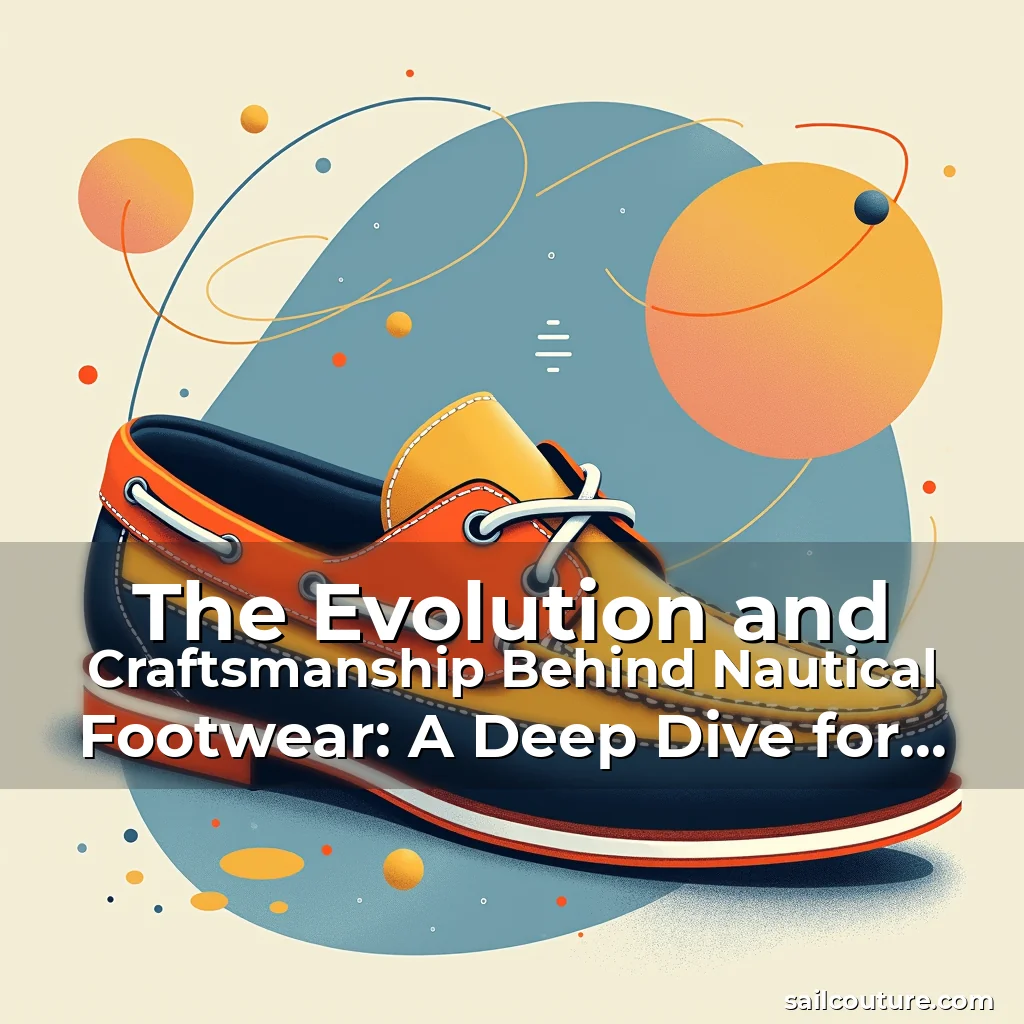
The Evolution and Craftsmanship Behind Nautical Footwear: A Deep Dive for Sailors and Enthusiasts
Nautical footwear is not merely an accessory but a vital component of maritime life, blending functionality with style. From rugged deck shoes to sleek sailing boots, each design tells a story of seafaring tradition and innovation.
This guide explores the history, materials, and modern adaptations that define nautical footwear for the discerning sailor and enthusiast alike.
Origins and Historical Significance
The roots of nautical footwear trace back centuries ago when sailors required durable, water-resistant gear to endure harsh sea conditions. Early designs were simple yet effective, often crafted from leather and salt-treated fabrics.
By the 18th century, naval forces began standardizing footgear, leading to the creation of recognizable styles such as the British Royal Navy’s “Jack Boot.” These boots featured thick soles and reinforced toe caps to protect against shipboard hazards.
The transition to rubber-soled shoes marked a pivotal moment in nautical footwear evolution. This advancement improved grip on wet decks while reducing the risk of slips and falls during turbulent weather.
Sailors also relied on open-toed sandals made from woven fibers for warmer climates, ensuring breathability without compromising safety. Over time, these designs influenced both military and civilian fashion trends worldwide.
Materiel Innovation: What Makes Nautical Footwear Unique?
Modern nautical footwear relies heavily on advanced material science to balance durability with comfort. High-quality leather remains a staple due to its natural resistance to moisture and abrasion.
Innovative synthetic blends now offer lightweight protection against seawater corrosion, making them ideal for long voyages where weight can impact performance. Some brands incorporate neoprene linings for added insulation against cold ocean winds.
The use of non-slip outsoles has become industry standard across most reputable manufacturers. Rubber compounds designed specifically for marine environments provide superior traction even under slick conditions.
Recent developments include breathable mesh panels integrated into traditional leather uppers, allowing ventilation while maintaining structural integrity crucial for onboard activities.
Material Comparison Table
| Material | Pros | Cons |
|———-|——|——|
| Full Grain Leather | Durable, ages well | Heavy, requires maintenance |
| Synthetic Blends | Lightweight, waterproof | Less breathable, may degrade over time |
| Neoprene Lining | Insulating, flexible | Can trap sweat, less suitable for hot climates |
This comparison highlights how different materials cater to various needs within the nautical community. Choosing between options depends largely on intended usage scenarios.
Distinguishing Features of Authentic Nautical Footwear
A genuine pair of nautical boots or shoes possesses several defining characteristics that set it apart from regular outdoor wear. Reinforced toe boxes prevent damage from dropped tools or debris commonly found aboard vessels.
Waterproof membranes are another essential feature; they ensure feet stay dry despite exposure to rain, waves, or accidental immersion. Many high-end models utilize Gore-Tex technology for optimal breathability alongside full waterproofing capabilities.
Closed-cell foam midsoles enhance shock absorption, protecting joints from constant movement on uneven surfaces typical of boats and docks. The height of the shaft determines whether footwear serves casual purposes or provides full ankle support necessary for rough seas.
Traditional lacing systems have evolved significantly too, incorporating quick-release mechanisms that allow rapid removal in emergency situations without sacrificing security during routine operations.
Style Meets Substance: Fashion Trends Within Nautical Footwear
While function remains paramount, contemporary designers increasingly blend aesthetic appeal with practicality. Classic navy blue hues paired with white accents evoke timeless maritime themes popular among enthusiasts who value heritage aesthetics.
Vintage-inspired detailing such as brass buckles and rope-like stitching adds character to modern interpretations of historical styles. Brands specializing in nautical attire often collaborate with artisans to recreate period-specific patterns using today’s advanced manufacturing techniques.
Some collections experiment with color palettes beyond traditional blues by introducing muted greens or earth tones inspired by coastal landscapes. However, these variations still maintain core elements like sturdy construction and reliable grip features.
Customization options abound, allowing buyers to select specific colors, embellishments, or special finishes tailored to their personal preferences while retaining original functional attributes.
Selecting the Right Pair for Your Needs
Purpose dictates choice when selecting appropriate nautical footwear. Casual users might prefer lighter-weight options suited for dockside walks or beach excursions rather than heavy-duty boots meant solely for extended cruises.
For those frequently navigating through stormy waters or handling equipment at sea, prioritizing slip-resistance becomes critical. Look for certifications indicating compliance with international maritime safety standards relevant to your region.
Comfort considerations extend beyond initial fit—consider arch support, cushioning levels, and overall flexibility. Ill-fitting shoes can lead to blisters or discomfort over prolonged periods away from land.
Price points vary widely depending upon brand reputation, quality assurance measures taken during production, and additional features included in premium editions compared to basic versions available commercially.
Eco-Friendly Innovations Shaping Future Designs
Sustainability concerns are reshaping the landscape of nautical footwear development. Increasingly, companies prioritize eco-conscious practices including sourcing organic dyes, utilizing recycled plastics, and implementing carbon-neutral shipping processes.
Biodegradable components present exciting possibilities; certain bioplastics decompose naturally after reaching end-of-life stages without harming marine ecosystems. Researchers continue exploring alternatives to conventional leathers derived entirely from plant-based sources.
Carbon footprint reduction efforts involve optimizing supply chains locally wherever feasible instead relying exclusively on global distribution networks which contribute substantially toward environmental degradation issues currently facing our planet.
Consumers play active roles too—they can support ethical producers committed towards minimizing ecological impacts associated with manufacturing cycles involved creating new pairs annually.
Care & Maintenance Tips for Longevity
Proper care extends lifespan considerably regardless of price range selected initially. Regular cleaning prevents buildup of dirt particles potentially damaging delicate seams or weakening adhesives used internally.
Conditioning treatments help preserve leather suppleness preventing cracks forming prematurely especially important considering frequent exposure to humid environments common aboard ships.
Storing properly when not in use avoids deformation caused by compression forces exerted against soft tissues inside shoe interiors overnight storage sessions.
Following manufacturer guidelines regarding washing instructions ensures no unintended harm occurs through improper methods applied unknowingly by inexperienced owners seeking DIY solutions online.
Conclusion
Nautical footwear represents much more than just protective gear—it embodies generations of maritime knowledge distilled into every stitch and seam.
Whether you’re preparing for your next voyage or simply appreciating fine craftsmanship worn daily by dedicated crews around world, understanding nuances behind choosing right kind matters greatly towards enhancing experience personally experienced first hand.

news is a contributor at SailCouture. We are committed to providing well-researched, accurate, and valuable content to our readers.
You May Also Like
About the Author