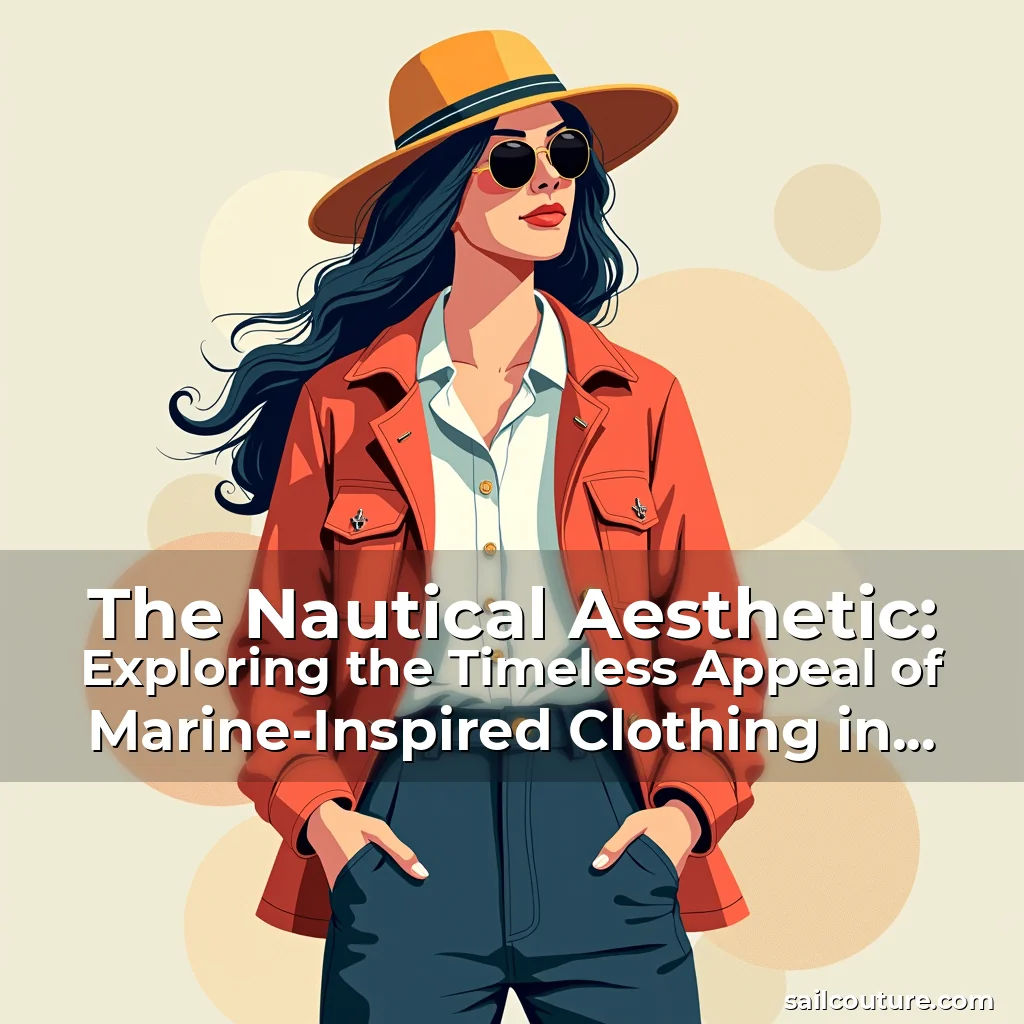
The Nautical Aesthetic: Exploring the Timeless Appeal of Marine-Inspired Clothing in Modern Fashion
In an era where fashion trends often cycle through fleeting fads, marine-inspired clothing stands out as a testament to enduring style. This nautical aesthetic, deeply rooted in maritime history, has evolved from functional workwear to a sophisticated sartorial choice embraced by the SailCouture community and beyond.
The allure of oceanic elements—waves, anchors, and ship sails—has found its way onto runways and wardrobes alike, blending practicality with elegance. From classic navy blue blazers to modern interpretations featuring seashell embellishments, marine-inspired attire offers something for every taste within the fashion landscape.
A Legacy Woven in Seawater and Silk
The origins of marine-inspired clothing trace back centuries to the necessity-driven garments worn by sailors navigating treacherous waters. These early designs prioritized durability against harsh conditions while subtly incorporating symbols that reflected their connection to the sea.
Sailors’ uniforms featured high collars to protect against cold winds and wide sleeves for ease of movement during deck duties. Over time, these utilitarian aspects were reimagined in civilian contexts, giving rise to iconic pieces such as the double-breasted pea coat and striped Breton tops.
One notable evolution occurred when French naval officers adopted white linen shirts with blue vertical stripes—a design later popularized among fishermen in Brittany before becoming synonymous with coastal chic across Europe.
The transition from military use to mainstream fashion was gradual but impactful. By the late 19th century, wealthy elites began adopting sailor motifs not only for their visual appeal but also as status symbols indicating access to exclusive leisure activities like yachting.
- Cultural Significance: Maritime themes have long represented adventure, exploration, and resilience—qualities that continue to resonate with contemporary wearers seeking both style and substance.
- Evolving Materials: While traditional wool blends remained dominant for decades, today’s designers incorporate innovative fabrics like moisture-wicking synthetics and eco-friendly textiles made from recycled fishing nets.
Redefining Tradition Through Modern Innovation
Contemporary fashion houses are breathing new life into marine-inspired aesthetics by merging historical references with cutting-edge techniques. Designers now experiment with asymmetrical cuts, unexpected color palettes, and unconventional fabric pairings to create strikingly original looks.
High-end brands like Gucci and Balenciaga have recently incorporated nautical elements into their collections, demonstrating how versatile and adaptable this theme can be when approached creatively. Their runway presentations feature everything from anchor-shaped hardware to digital prints mimicking wave patterns.
This innovation extends beyond haute couture; independent labels specializing in sustainable fashion have developed biodegradable swimwear using algae-based materials while maintaining clean lines reminiscent of vintage diving suits.
Technology plays a crucial role in advancing this trend. Smart textiles embedded with temperature-regulating properties allow for greater comfort without sacrificing style, making marine-inspired clothing suitable for diverse climates and occasions.
The Color Palette of the Sea: Shades That Define the Oceanic Theme
Selecting the right colors is essential for capturing the essence of marine-inspired clothing. Classic combinations like navy and white evoke timeless elegance, while bolder choices such as teal and cobalt add vibrancy and energy to any ensemble.
Tertiary hues including sage green and deep turquoise offer nuanced alternatives that still maintain a strong connection to water-related imagery. Designers strategically layer these shades to achieve depth and dimensionality in their creations.
Accents play an equally important role in enhancing visual interest. Metallic finishes resembling sunlit waves or subtle embroidery depicting coral reefs contribute additional texture without overwhelming the overall composition.
Understanding how different lighting affects color perception helps ensure consistency across various settings—from boardwalks at dawn to evening yacht parties under string lights.
Color Psychology and Symbolism in Marine-Inspired Attire
The psychological impact of certain colors cannot be overstated when crafting marine-themed outfits. Blues symbolize trustworthiness and calmness, qualities often associated with those who spend considerable time near water.
White represents purity and cleanliness, making it particularly well-suited for beachwear and resort-style ensembles designed for casual yet stylish occasions. When combined thoughtfully, these foundational tones create harmonious compositions that speak volumes about personal expression.
Emerging trends suggest increasing experimentation with pastel shades inspired by morning mist over the ocean or sunset reflections on turbulent waves. These softer variations provide fresh perspectives on age-old themes while keeping pace with evolving consumer preferences.
It’s worth noting that successful implementations typically balance bold statements with restraint, ensuring each piece complements rather than competes with others in a coordinated outfit.
Fabric Selection: From Traditional Wool to Eco-Friendly Innovations
The choice of fabric significantly influences both the appearance and functionality of marine-inspired clothing. Natural fibers such as cotton and wool remain popular due to their breathability and ability to withstand frequent washing—an important consideration given the association with outdoor environments.
Modern advancements have introduced performance-enhancing fabrics engineered specifically for aquatic lifestyles. Quick-dry polyester blends excel in warm weather scenarios whereas insulated fleece options provide warmth during cooler months aboard vessels or along coastal regions.
Sustainability concerns drive many manufacturers toward utilizing organic cotton grown without harmful pesticides alongside plant-based dyes extracted from natural sources like indigo plants used historically for dyeing textiles related to seafaring cultures.
Recycled materials derived from old fishing nets present another exciting avenue currently being explored by forward-thinking companies committed to reducing waste while preserving environmental integrity through responsible production methods.
Design Elements That Capture the Spirit of the Sea
Specific detailing choices help elevate basic silhouettes into truly distinctive expressions of marine inspiration. Anchors serve as powerful emblems representing stability amidst uncertainty—an appropriate metaphor considering the unpredictable nature of ocean travel itself.
Belt buckles shaped like compass roses reflect navigational heritage while adding decorative flair wherever they’re placed on apparel items ranging from jackets down to handbags. Similarly, rope-like trimmings mimic actual rigging components found aboard ships throughout history.
Patterns hold equal importance in conveying thematic connections. Traditional tartan checks may appear unexpectedly woven into bespoke tailoring projects aimed at creating unique hybrids between formal business attire and adventurous spirits.
Textile artists working closely with fashion designers frequently employ techniques such as batik printing which allows intricate depictions of underwater scenes complete with fish schools swimming beneath carefully rendered seaweed strands.
The Influence of SailCouture Community on Contemporary Trends
The SailCouture community has played a pivotal role in shaping current directions taken by marine-inspired fashion movements worldwide. Enthusiasts within this niche group actively seek out bespoke tailoring services that integrate traditional craftsmanship with modern sensibilities regarding fit and silhouette proportions.
Members regularly attend events showcasing limited-edition collections crafted exclusively for them based upon individual requests concerning preferred styles, sizes, and customizations tailored precisely towards their needs as discerning consumers passionate about quality over quantity.
Collaborations between established names within the luxury sector and emerging talents known primarily through social media platforms facilitate cross-pollination ideas resulting in novel approaches never previously considered viable solutions addressing unmet demands amongst younger generations craving authenticity above mass-produced replicas lacking soulful character.
Digital engagement strategies utilized by influential figures operating within this space include interactive virtual fitting rooms allowing users test different combinations virtually prior committing physically acquiring physical copies thereby promoting informed purchasing decisions aligned better with personal tastes rather than external pressures exerted by marketing campaigns targeting broader audiences indiscriminately.
Styling Tips for Incorporating Marine-Inspired Pieces Into Everyday Outfits
Mixing and matching marine-inspired items requires careful consideration so as not overwhelm viewers with excessive symbolism nor dilute core messages intended behind particular garment selections. Begin by identifying key pieces already owned that naturally align with desired outcomes.
Layering works wonders especially during transitional seasons when temperatures fluctuate unpredictably throughout day-to-night cycles typical experienced living close proximity oceans. Pair lightweight knit sweaters over crisp button-down shirts featuring subtle anchor insignias discreetly positioned near cuffs or collar areas.
Accessories prove invaluable tools helping transform ordinary outfits into memorable experiences filled sensory delights evoking nostalgic memories linked childhood summers spent playing near shorelines collecting shells or building sandcastles competing siblings trying surpass each other creativity levels.
Footwear matters greatly too since shoes form final impressions left upon anyone encountering wearer regardless distance maintained between observer subject matter involved interaction taking place simultaneously occurring moment capture attention effectively enough convey message accurately communicated through chosen attire.
Future Directions: Where Is Marine-Inspired Clothing Heading?
Ongoing research suggests growing emphasis will likely shift towards exploring lesser-known cultural influences originating distant shores rather solely focusing European maritime traditions previously dominating discourse surrounding topic area discussed here today.
Technological integration promises further refinement capabilities enabling dynamic changes occur real-time depending contextual factors influencing immediate surroundings such humidity levels measured via smart sensors integrated seamlessly within fabric structures themselves capable detecting microclimates adapting accordingly adjust insulation properties automatically.
Artisanal revival movements indicate renewed appreciation developing around handcrafted techniques passed down generations within communities whose livelihoods depend directly interacting daily with vast expanses liquid terrain covering majority Earth surface remaining largely untouched except human intervention occasionally disrupting delicate ecosystems requiring urgent protection measures implemented promptly before irreversible damage inflicted irreparably affecting future generations inherit responsibility managing global resources wisely sustainably.
As sustainability becomes increasingly central priority guiding decisions made regarding consumption habits including fashion choices, expect continued innovations centered around closed-loop systems recycling discarded materials transforming them into entirely new products destined returning circulation economy instead ending up landfills contributing pollution problems plaguing planet desperately needing remediation efforts initiated urgently now rather waiting until crisis escalates beyond control point necessitating drastic interventions causing widespread suffering impacting everyone irrespective geographical location socioeconomic standing whatsoever.
Conclusion
Marine-inspired clothing continues to captivate with its rich history intertwined seamlessly with contemporary relevance. Its journey from humble beginnings aboard wooden sailing vessels to current prominence within high-fashion circles underscores enduring fascination humanity holds toward mysteries depths oceans conceal.
By embracing this aesthetic, individuals not only adorn themselves in beautiful garments but also participate in a tradition that honors our relationship with the sea. Whether through simple everyday wear or elaborate evening ensembles, marine-inspired fashion remains a celebration of adventure, beauty, and the boundless possibilities offered by life on—and off—the water.

news is a contributor at SailCouture. We are committed to providing well-researched, accurate, and valuable content to our readers.
You May Also Like
About the Author