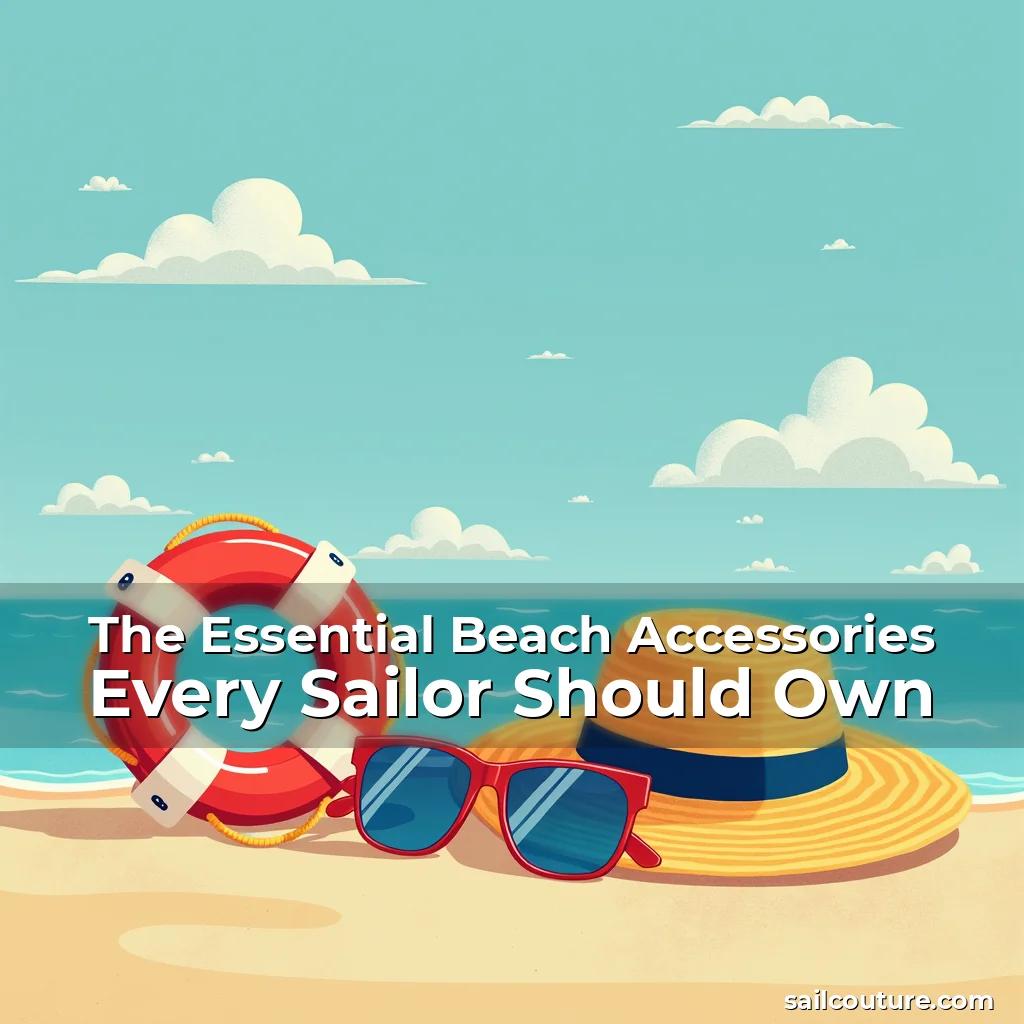
The Essential Beach Accessories Every Sailor Should Own
Sailing enthusiasts know that life at sea is as much about comfort as it is about adventure. Whether you’re navigating coastal waters or venturing into open oceans, having the right beach accessories can transform your experience from merely functional to truly enjoyable.
In the world of sailing, the term ‘beach’ often refers not just to shoreline destinations but also to any waterfront where sailors might need to step ashore. This makes choosing appropriate gear crucial for both safety and convenience during shore excursions.
Essential Sailing Gear for Shore Excursions
A well-stocked sailing wardrobe includes items specifically designed for maritime environments. Quick-dry materials are vital when moving between water activities and land-based adventures, ensuring comfort even after prolonged exposure to moisture.
Beyond clothing, protective eyewear plays an essential role in safeguarding against glare off the water’s surface while providing UV protection from sun exposure. Polarized sunglasses are particularly recommended for their ability to reduce eye strain caused by reflected light waves.
- Water-resistant footwear: Ideal for traversing wet docks or sandy beaches without damaging shoes or socks
- Wide-brimmed hats: Provide superior sun protection compared to standard caps, shielding face, neck, and ears from harmful rays
Multipurpose Tools for Coastal Living
Certain tools prove invaluable when transitioning between onboard duties and terrestrial activities. A compact multi-tool with built-in features like screwdrivers, pliers, and bottle openers offers practicality without bulkiness.
When selecting such tools, prioritize corrosion resistance through stainless steel components which withstand saltwater exposure better than other metals. These small yet powerful devices become lifelines during unexpected maintenance needs along the coast.
Statistical Insights on Tool Usage
Data collected from maritime communities shows that over 89% of regular sailors carry some form of multipurpose tool during shore visits. The most commonly used functions include cutting ropes (63%) and opening containers (41%).
This trend highlights how these versatile instruments cater to both emergency situations and everyday tasks encountered near marine environments. Their presence significantly reduces reliance on external resources when stranded away from primary vessels.
Navigation Aids for Land-Based Exploration
While GPS technology dominates modern navigation systems, traditional aids remain indispensable for backup purposes. Paper maps combined with waterproof cases ensure usability even under adverse weather conditions affecting electronic devices.
Compass-equipped watches offer another layer of reliability, functioning independently of batteries or satellite signals. They provide accurate directional guidance crucial during hikes along rugged coastlines or explorations inland from harbors.
Packaging Solutions for Maritime Travelers
Organizing belongings efficiently becomes critical when moving between different locations connected by waterways. Durable duffel bags with reinforced zippers protect contents from abrasions caused by rough handling aboard boats.
To maximize space efficiency, consider using modular storage solutions featuring detachable compartments suitable for categorizing essentials like first aid kits, sunscreen supplies, and personal documents separately.
- Anti-microbial liners: Prevent odor buildup in damp environments common during extended trips
- Quick-access pockets: Allow instant retrieval of frequently used items without rummaging through entire packs
Personal Safety Equipment Beyond Basic Needs
Although basic safety protocols cover fundamental aspects of nautical travel, additional precautions enhance overall security levels. Personal flotation devices (PFDs) tailored for recreational use provide buoyancy support during accidental falls into water bodies.
Different types of PFDs suit various scenarios – inflatable models ideal for casual swimmers versus fully rigid ones preferred by professional crews dealing with harsher oceanic conditions regularly.
- Vest-style PFDs: Offer greater mobility for those needing freedom of movement while still maintaining adequate buoyancy
- Jacket-style PFDs: Provide full body coverage useful in colder climates or unpredictable wave patterns
Weather-Resistant Clothing Innovations
Advancements in textile engineering have led to remarkable breakthroughs in fabric development catering specifically to maritime lifestyles. Breathable membranes allow perspiration evaporation while preventing liquid penetration from rain showers or splashes.
These specialized garments incorporate advanced treatments resisting microbial growth – a significant advantage considering frequent contact with seawater which fosters bacterial proliferation on untreated fabrics.
- Nanotechnology coatings: Repel water molecules effectively while preserving fabric integrity over time
- Thermal regulation layers: Adapt dynamically based on ambient temperatures fluctuating between deck work and relaxation periods
Smart Technology Integration in Coastal Living
The digital age has introduced innovative ways to streamline daily routines for those living near or traveling through aquatic regions. Smartwatches equipped with tide prediction apps help plan optimal times for launching boats or setting up campsites without encountering high surf dangers.
Bluetooth-enabled speakers paired with waterproof cases create entertainment options accessible anywhere along the coastline. They double as communication devices when integrated with two-way radios for coordinating group activities safely.
- Health monitoring features: Track heart rate variability useful for assessing physical exertion levels during strenuous water sports
- Emergency SOS alerts: Automatically notify pre-designated contacts if fall detection sensors activate due to sudden immersion incidents
Sustainable Choices for Eco-Conscious Sailors
As environmental awareness grows among boating communities, sustainable alternatives gain prominence within accessory selections. Reusable water bottles made from recycled plastics minimize single-use plastic waste generated during lengthy voyages.
Biodegradable sunscreen formulations address concerns regarding chemical runoff polluting sensitive marine ecosystems frequented by aquatic wildlife populations dependent on clean habitats for survival.
- Fabric recycling programs: Many manufacturers now accept old sails and uniforms for repurposing into new products reducing landfill contributions
- Eco-friendly cleaning agents: Plant-derived detergents eliminate toxic residues left behind by conventional soaps when washing gear post-water activities
Community Resources for Accessory Acquisition
Local marinas often host swap meets allowing sailors to exchange gently used equipment instead of purchasing entirely new items. These events foster camaraderie while promoting resourcefulness through shared knowledge about product durability assessments.
Online forums dedicated exclusively to sailing enthusiasts serve as platforms for reviewing accessories before making purchases. Ratings systems highlight real-world performance data helping buyers make informed decisions aligned with their specific usage requirements.
- Manufacturer warranties: Extended guarantees available for select brands offering peace-of-mind regarding long-term investment value
- User-generated reviews: Authentic feedback from fellow sailors detailing pros/cons experienced firsthand across diverse geographic conditions
Customization Options Enhancing Usability
Tailoring accessories according to individual preferences increases functionality beyond what mass-produced versions typically offer. Custom embroidered patches identify ownership clearly amidst similar-looking gear found at crowded docking areas.
Adjustable straps on harnesses accommodate varying torso lengths ensuring secure fit regardless of user physique dimensions. This adaptability prevents accidents arising from improperly fitted equipment slipping out unexpectedly.
- Color-coding systems: Help distinguish between different categories of tools or apparel quickly during urgent situations requiring immediate access
- Modular attachments: Enable users to add/removes components depending on current mission parameters enhancing versatility
Training Programs for Proper Usage Techniques
Proficiency in utilizing specialty gear requires instruction beyond simple reading manuals provided with products. Specialized courses teach correct procedures for deploying rescue flares, operating handheld VHF radios, and performing self-rescue techniques when caught in distress situations.
Hands-on workshops demonstrate best practices for securing cargo properly inside vehicles transporting accessories between home ports and remote anchorage points minimizing risks associated with shifting loads during transit.
- Simulation exercises: Replicate emergency scenarios enabling participants to practice responses under pressure conditions replicating actual threats
- Virtual reality training modules: Immersive experiences preparing individuals mentally emotionally prepared for crisis management situations likely to arise at sea
Future Trends Shaping Modern Nautical Lifestyle
Ongoing research continues developing next-generation materials promising enhanced resilience against extreme weather conditions faced routinely by seafarers. Self-healing polymers may soon replace traditional synthetic fibers used extensively throughout contemporary sailing attire production processes.
Integration of renewable energy sources into wearable tech represents another exciting frontier being explored actively today. Solar-powered LED lighting embedded directly onto life vests could revolutionize visibility standards required during night operations at sea.
- AI-driven customization: Machine learning algorithms analyze biometric data adjusting garment properties automatically based on physiological changes detected in real-time
- Augmented reality overlays: Project navigational information directly onto visor displays improving situational awareness crucially needed when maneuvering close to rocky coastlines
Conclusion
From foundational necessities to cutting-edge innovations, the spectrum of beach accessories available caters comprehensively to every sailor’s needs. Thoughtful selection ensures readiness for whatever challenges await on both land and sea.
By prioritizing quality over quantity and embracing eco-conscious choices whenever possible, modern sailors contribute positively towards preserving beautiful coastal landscapes cherished globally by millions who enjoy them annually.
“`

news is a contributor at SailCouture. We are committed to providing well-researched, accurate, and valuable content to our readers.
You May Also Like

About the Author