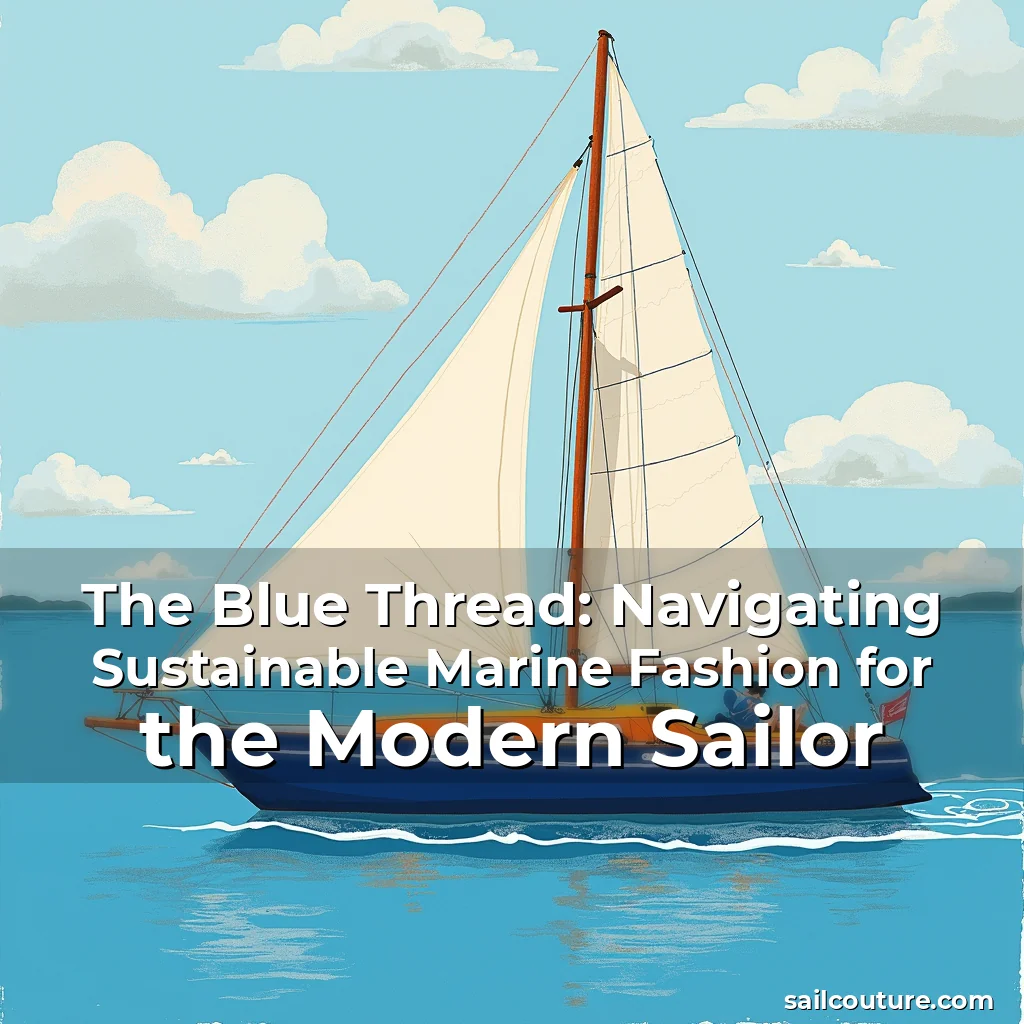
The Blue Thread: Navigating Sustainable Marine Fashion for the Modern Sailor
In an era where environmental consciousness meets maritime elegance, the concept of sustainable marine fashion is charting new waters. This movement is not merely a trend but a necessary evolution for those who cherish both the sea and style.
Sailors, designers, and eco-conscious consumers are uniting under a shared mission: to craft clothing that honors the ocean while respecting its fragile ecosystems. The journey toward sustainability begins with understanding what defines true marine fashion.
Understanding the Essence of Sustainable Marine Fashion
Sustainable marine fashion intertwines traditional seafaring aesthetics with modern ecological principles. It emphasizes materials derived from renewable resources, ethical production practices, and designs that minimize waste and pollution.
This approach ensures that every stitch and seam reflects respect for the environment without compromising the timeless allure of nautical attire. From recycled fabrics to biodegradable dyes, each element plays a role in reducing the industry’s carbon footprint.
- Natural Fibers: Materials such as hemp, bamboo, and organic cotton offer durability and minimal environmental impact compared to synthetic alternatives.
- Eco-Friendly Dyeing Techniques: Innovations like plant-based dyes and waterless dyeing processes significantly reduce toxic runoff into marine environments.
The Environmental Impact of Traditional Maritime Textiles
Conventional textile manufacturing contributes heavily to global pollution, particularly through chemical discharge and excessive water usage. For the marine sector, these effects are magnified due to proximity to aquatic habitats.
Fabric production often involves harsh chemicals that can leach into coastal waters, endangering marine life and disrupting delicate underwater ecosystems. Recognizing these impacts is crucial for driving change within the industry.
Statistics Highlighting Industry Challenges
According to recent studies, the textile industry accounts for approximately 20% of global wastewater. In regions near coastal areas, this percentage increases dramatically due to concentrated industrial activity.
Data also reveals that microplastics from synthetic fibers enter oceans at alarming rates—up to 800,000 tons annually—posing significant threats to marine biodiversity and human health alike.
Innovative Solutions Shaping the Future of Marine Fashion
Pioneering brands are redefining marine fashion by integrating cutting-edge technologies and sustainable methodologies. These innovations range from algae-based textiles to solar-powered sewing machines used during production phases.
By adopting closed-loop systems, manufacturers ensure that waste products become raw materials for future garments, creating a circular economy model that minimizes landfill contributions and resource depletion.
Beyond Materials: Ethical Production Practices in Marine Apparel
Sustainability extends beyond fabric choices; fair labor conditions, safe working environments, and transparent supply chains form integral parts of responsible fashion creation. Supporting companies that uphold these values empowers workers globally.
Certifications such as Fair Trade and B Corp provide assurance regarding ethical standards maintained throughout various stages—from harvesting natural fibers to final product assembly.
Design Philosophy for Eco-Conscious Seafarers
Creating functional yet stylish pieces requires thoughtful design that prioritizes versatility and longevity over fleeting trends. Timeless cuts and adaptable features enhance usability across diverse sailing scenarios.
Designers focus on multi-use garments capable of transitioning between casual wear aboard ships and formal events ashore, maximizing utility while minimizing overall consumption levels.
Functional Aesthetics Meets Sustainability Goals
Modern marine apparel merges practicality with visual appeal using color schemes inspired by nature’s palette—blues echoing ocean depths and greens mirroring lush coastlines—to create visually appealing outfits rooted in ecological awareness.
Such designs encourage individuals to embrace their connection with the sea without sacrificing personal expression or comfort requirements typical among sailors and enthusiasts alike.
Consumer Empowerment Through Conscious Choices
Consumers hold immense power when selecting products aligned with sustainability goals. By supporting eco-friendly initiatives, they influence market demands favorably shifting towards greener alternatives.
Prioritizing second-hand purchases reduces demand for newly produced items thus lessening pressure upon existing environmental constraints imposed by continuous mass production cycles.
Community Building Around Sustainable Marine Fashion
Building communities centered around shared interests fosters innovation exchange amongst members dedicated to promoting green lifestyles connected closely with maritime culture.
Online forums, local meetups, and collaborative projects enable knowledge sharing about best practices concerning material sourcing techniques along with creative ways to repurpose old garments sustainably.
Challenges Facing the Adoption of Sustainable Marine Fashion
Despite growing interest, several barriers hinder widespread adoption including higher initial costs associated with premium quality materials versus cheaper conventional options available widely today.
Limited availability of specialized retailers selling exclusively eco-friendly marine wear presents another obstacle making access difficult especially outside urban centers where selection remains sparse.
Future Prospects & Technological Advancements
Ongoing research promises exciting developments aimed specifically at enhancing performance characteristics inherent in sustainable fabrics while maintaining low environmental footprints simultaneously.
Advances in nanotechnology may soon allow development of self-cleaning surfaces embedded naturally within garment structures thereby eliminating need for frequent washing which conserves energy resources substantially.
Conclusion
Sustainable marine fashion represents more than just aesthetic preferences—it embodies commitment towards preserving our planet’s most vital ecosystem—the world’s oceans.
As stewards of both land and sea, embracing conscious consumer behaviors becomes essential step forward ensuring continued enjoyment of beautiful horizons offered by blue expanses surrounding us daily.

news is a contributor at SailCouture. We are committed to providing well-researched, accurate, and valuable content to our readers.
You May Also Like
About the Author