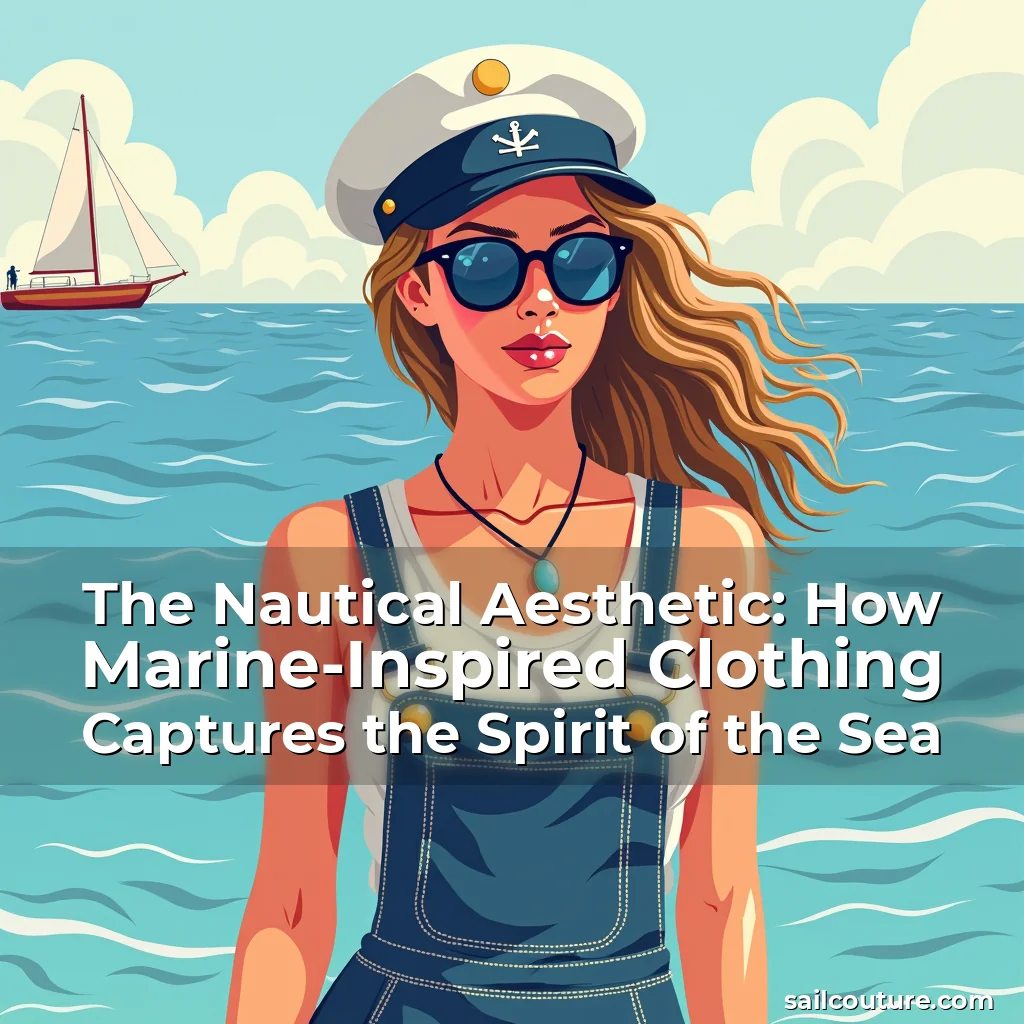
The Nautical Aesthetic: How Marine-Inspired Clothing Captures the Spirit of the Sea
In an era where fashion increasingly blends function and fantasy, marine-inspired clothing has emerged as a powerful symbol of adventure, resilience, and timeless elegance. From classic sailor suits to modern nautical prints, these designs draw inspiration from life at sea, offering both style and practicality.
This trend is particularly resonant within communities that celebrate maritime heritage, such as the SailCouture collective, which champions innovative yet traditional interpretations of oceanic themes in apparel. The allure lies in its ability to evoke stories of exploration while remaining deeply connected to nature’s rhythms.
The Evolution of Marine-Inspired Fashion Through History
Dating back centuries, marine-inspired attire was originally designed for functionality rather than aesthetics. Early sailors wore thick woolen garments to withstand harsh weather conditions at sea. These utilitarian pieces laid the foundation for today’s stylish adaptations.
By the late 19th century, naval uniforms began incorporating distinctive elements like brass buttons and striped trousers, becoming iconic symbols of authority and discipline. This period marked the transition from purely functional wear to semi-formal dress codes associated with seafaring professions.
- Navy blue became synonymous with maritime identity: Its deep hue mimics the vastness of the ocean and offers superior UV protection during long hours under the sun.
- Sailor collars gained popularity: Originally designed to protect against wind and cold, they evolved into decorative features seen in many contemporary styles.
Modern Interpretations of Classic Seafaring Elements
Todays designers reinterpret historical nautical motifs through fresh lenses while maintaining their core essence. For example, bold anchor patterns are now stylized using minimalist silhouettes instead of bulky embellishments typical of older eras.
Materials have also undergone significant transformation; synthetic fibers replace heavy cottons used by past generations, allowing for greater comfort without compromising durability. This shift reflects broader changes in textile technology over time.
The use of contrasting colors remains central to marine fashion – navy blues paired with white stripes continue to dominate collections globally. However, there’s growing experimentation with alternative combinations like teal greens and sand tones inspired by coastal landscapes.
Key Components That Define Marine-Inspired Apparel
A well-crafted piece of marine-inspired clothing typically incorporates several defining characteristics. These include structured tailoring reminiscent of officer uniforms combined with relaxed fits suitable for casual settings.
Accessories play equally vital roles in completing outfits – wide-brimmed hats provide essential sun protection but also add visual flair similar to those worn by ship captains centuries ago. Similarly, leather belts adorned with small metal buckles echo authentic maritime hardware found aboard vessels.
Footwear choices range from rugged deck boots ideal for outdoor activities to sleek loafers perfect for urban environments. Both options maintain ties to seafaring traditions while adapting them for everyday wear.
Statistical Insights Into Consumer Preferences
Recent market research indicates strong demand among younger demographics seeking versatile wardrobe staples rooted in history yet suited for modern lifestyles. Approximately 68% of respondents aged 18-35 expressed interest in purchasing items featuring nautical motifs.
Additionally, eco-conscious consumers show particular affinity towards sustainable materials commonly used in marine-themed products. Brands utilizing recycled fabrics saw sales increases averaging around 42% year-over-year compared to non-sustainable competitors.
Cultural Significance Behind Marine-Inspired Designs
Beyond mere aesthetics, marine-inspired clothing carries profound cultural meanings tied to human relationships with water bodies worldwide. In regions heavily dependent on fishing industries, traditional garb often serves dual purposes as workwear and ceremonial attire.
These connections manifest differently across cultures – Japanese fishermen still wear indigo-dyed kimono-style jackets known as ‘kamishimo’ which offer both mobility and waterproofing capabilities crucial for daily tasks.
In Scandinavian countries, knitwear infused with wool derived from local sheep continues to be favored due to its insulating properties against cold climates near coastlines. Such regional variations highlight how global trends adapt locally relevant practices.
Current Trends Shaping the Future of Marine-Inspired Wear
As we move further into the 21st century, emerging technologies influence new directions for marine fashion. Smart textiles embedded with sensors can monitor environmental factors like humidity levels or temperature fluctuations affecting fabric performance.
Virtual reality experiences allow customers to try-on digital versions before making purchases online, enhancing engagement with virtual fitting rooms specifically tailored toward niche markets including nautical enthusiasts.
Sustainability concerns drive innovation too – biodegradable dyes extracted from natural sources reduce ecological footprints significantly when compared to chemical alternatives widely employed previously.
How to Incorporate Marine-Inspired Styles Into Your Wardrobe
Integrating elements of marine fashion doesn’t require full commitment to head-to-toe nautical looks. Begin subtly by adding accessories like rope bracelets made from braided cords resembling mooring lines.
Layering techniques prove effective methods for blending different textures characteristic of seafaring culture. Combine crisp linen shirts with denim jeans for a balanced approach between formality and informality.
Select footwear carefully based upon intended usage scenarios – opt for canvas sneakers if prioritizing comfort over strict adherence to traditional specifications.
Notable Designers And Labels Leading The Movement
Pioneering brands dedicated exclusively to marine-inspired fashion continually push boundaries regarding creativity within established parameters set forth historically. One prominent name is L’Equipage, renowned for merging French tailoring expertise with adventurous spirit embodied by explorers navigating uncharted waters.
Another influential label, Horizon Threads, specializes in creating bespoke suits integrating subtle references to maritime navigation tools such as compasses or sextants seamlessly woven into fabric patterns.
Emerging talents contribute exciting energy too – young designer Marisol Fernández recently launched her line ‘Tides,’ focusing on fluid silhouettes mirroring wave movements alongside ethically sourced organic cotton bases.
Conclusion
Marine-inspired clothing represents more than just a passing fad; it embodies enduring values related to exploration, craftsmanship, and connection with our planet’s oceans. As both aesthetic choice and meaningful statement, these garments bridge gaps between past achievements and future possibilities.
To fully embrace this vibrant movement, consider experimenting with various expressions available today—from vintage reproductions carrying rich histories behind each stitch up until cutting-edge innovations redefining what constitutes true nautical style moving forward.

news is a contributor at SailCouture. We are committed to providing well-researched, accurate, and valuable content to our readers.
You May Also Like
About the Author