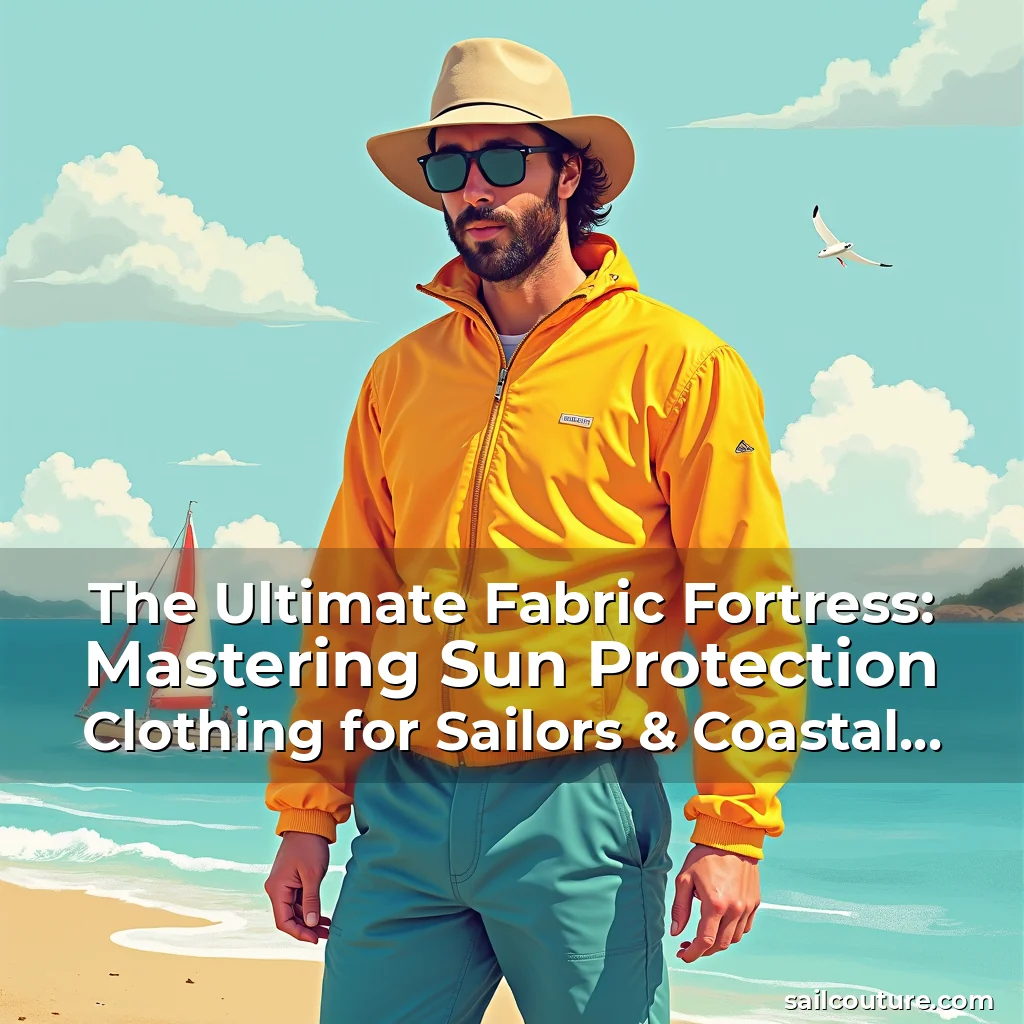
The Ultimate Fabric Fortress: Mastering Sun Protection Clothing for Sailors & Coastal Adventurers
In an age where UV awareness is paramount, sailors and coastal enthusiasts are redefining their relationship with the sun through specialized sun protection clothing. This isn’t merely about wearing a shirt; it’s about engineering garments that transform your wardrobe into a dynamic defense system against harmful rays.
From ultraviolet radiation-resistant fibers to moisture-wicking technologies, modern sun protective apparel represents a convergence of fashion innovation and scientific rigor tailored specifically for those who live life at sea.
Redefining Maritime Safety Through Advanced Textiles
Sailors face a unique challenge when navigating open waters – prolonged exposure to unfiltered sunlight without traditional shade sources. Traditional cotton t-shirts offer minimal UV protection, typically blocking only around 50% of UVA/UVB rays.
This limitation becomes critical during long voyages when skin cancer risks increase dramatically. Specialized sailing gear now incorporates UPF-rated fabrics that provide consistent protection even after repeated washes.
- UPF Rating System: Unlike SPF ratings used for sunscreen, UPF (Ultraviolet Protection Factor) measures how much UV radiation penetrates fabric. A UPF 50+ rating blocks over 98% of both UVA and UVB rays.
- Fabric Innovation: Revolutionary materials like Polartec® NeoShield™ combine lightweight comfort with high UV resistance while maintaining breathability crucial for maritime environments.
Beyond the Basics: Key Features of Marine-Specific Sun Apparel
While general-purpose sun protective clothing exists, marine-specific options incorporate additional design elements essential for seafaring lifestyles. These include reinforced stitching to withstand saltwater corrosion and quick-drying properties vital for deck activities.
Many advanced suits integrate strategically placed mesh panels that enhance ventilation without compromising UV protection levels. The balance between coverage and airflow is particularly important in humid tropical climates.
Material Science Meets Nautical Needs
A study by the National Oceanic and Atmospheric Administration found that sailors spending over 20 hours weekly at sea have twice the melanoma risk compared to land-based professionals. This statistic underscores the necessity of purpose-built protective wear.
Modern solutions employ hybrid fabrics combining modal fibers with UV-absorbing dyes. These materials maintain flexibility during intense physical activity while providing consistent protection across various water conditions.
Dressing for Different Sailing Conditions
Variations in climate and time of day necessitate different approaches to sun protection attire. In temperate zones, lighter-weight UPF 30+ garments may suffice for morning sails before midday intensifies.
Tropical cruising requires heavier duty protection with UPF 50+ ratings, often incorporating sleeves that extend past the elbows to shield sensitive areas from reflected glare off water surfaces.
- Morning Cruises: Opt for breathable UPF 30-50 clothing paired with wide-brimmed hats to protect exposed neck regions.
- Noon-to-Evening Voyages: Choose fully enclosed suits with UPF 50+ ratings, ensuring complete body coverage including hands and feet.
Performance Considerations for Active Seafarers
Marine-grade sun protective clothing must endure extreme environmental stressors beyond standard UV shielding requirements. Saltwater exposure demands treatments that prevent fiber degradation without affecting UV-blocking capabilities.
Some manufacturers use nano-coatings that create hydrophobic barriers while maintaining fabric porosity. This allows sweat evaporation without compromising the garment’s protective integrity.
For high-intensity tasks like rigging or sailing in strong winds, stretchable yet durable materials become essential. Fabrics with four-way stretch properties enable full range of motion without exposing vulnerable skin areas.
Style Meets Functionality in Modern Designs
Gone are the days when sun protection clothing resembled bulky safety gear. Contemporary designs blend performance features with sleek aesthetics suitable for nautical events and casual waterfront outings.
Design innovations include zippered hoods for easy removal, adjustable cuffs for customized fit, and integrated storage pockets for sunglasses or navigation tools. These features cater to both practical needs and personal style preferences.
Color choices also reflect functional considerations – darker hues generally offer better UV absorption than light colors, though many brands now produce vibrant patterns using UV-reactive dyes without sacrificing protection levels.
Care and Maintenance of Protective Garments
Prolonged exposure to sunlight can degrade some protective properties over time, making proper care essential for maintaining effectiveness. Washing instructions vary depending on fabric composition but generally recommend cold water cycles.
Avoiding harsh detergents preserves the integrity of UV-absorbing agents within the fibers. Some high-performance garments require special cleaning solutions to maintain optimal protection standards.
Proper drying methods matter too – direct sunlight can break down certain chemical treatments used in fabric coatings. Air-drying away from heat sources helps preserve longevity and effectiveness.
Evaluating Quality and Effectiveness
Selecting quality sun protective clothing involves understanding key indicators that distinguish effective products from subpar alternatives. Look for certifications from reputable organizations like the Australian Radiation Protection and Nuclear Safety Agency (ARPANSA).
Reputable brands often display UPF ratings prominently on labels, sometimes specifying protection levels for both dry and wet conditions. Testing procedures should meet international standards such as AS/NZS 4399:1996.
Hands-on testing can be revealing – hold a garment up to a bright light source. If significant light penetration occurs, it likely lacks sufficient UV filtering capability despite marketing claims.
Environmental Impact and Sustainability
The growing demand for sun protective clothing has sparked conversations about sustainable production practices within the textile industry. Many manufacturers now prioritize eco-friendly dye processes and recycled material integration.
Look for brands utilizing organic cotton blends treated with natural UV blockers derived from plant compounds rather than synthetic chemicals. Such approaches reduce ecological footprint while maintaining necessary protection levels.
Recycling programs for old garments are becoming increasingly common among responsible producers. This circular economy model helps minimize waste without compromising product quality or functionality.
Community Insights and Real-World Applications
Engaging with the sailing community provides invaluable perspectives on what works best under real-world conditions. Online forums and social media groups frequently share user experiences regarding different brands and models.
Professional sailors often emphasize the importance of layering systems – combining base layers with outer shells for enhanced protection during extended offshore excursions. Feedback from these experts guides ongoing improvements in product development.
Amateur cruisers contribute equally valuable insights, highlighting factors like ease of movement, comfort during long hours aboard vessels, and durability after repeated use in saline environments.
Future Innovations in Marine Sun Protection
Ongoing research promises exciting advancements in sun protective technology tailored specifically for maritime applications. Scientists are exploring bioengineered textiles that actively neutralize UV radiation instead of simply reflecting it.
Nanotechnology developments could lead to self-cleaning fabrics that maintain UV protection efficacy longer while reducing maintenance requirements. Smart textiles might soon integrate sensors that monitor cumulative UV exposure levels in real-time.
Collaborations between oceanographers and textile engineers suggest potential breakthroughs in adaptive clothing that changes its UV blocking capacity based on ambient solar intensity, offering personalized protection solutions.
Conclusion
Sun protection clothing has evolved from simple accessories to sophisticated pieces of equipment integral to safe maritime living. By integrating advanced materials science with thoughtful design principles, modern solutions offer unparalleled protection without compromising mobility or comfort.
To maximize benefits, always check UPF ratings, consider specific sailing conditions, and choose garments designed explicitly for nautical environments. Embrace this technological advancement not just as protection, but as a fundamental element of smart seamanship.

news is a contributor at SailCouture. We are committed to providing well-researched, accurate, and valuable content to our readers.
You May Also Like
About the Author